 English
 Español

Latest News
Latest News
Latest News
Latest News
Latest News
Latest News
Latest News
Latest News
Latest News
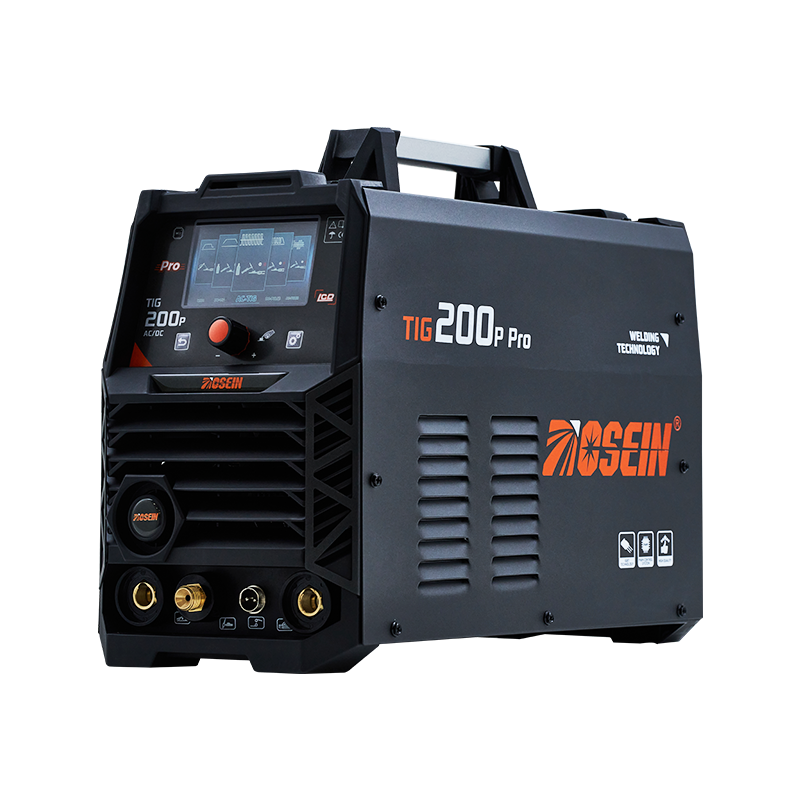
Different welding tasks rarely behave in the same way once heat is applied to metal. Surface condition, thickness, and material type can shift how the arc reacts and how the weld pool forms. Because of these variations, equipment design tends to focus on adjustable output behavior rather than a single fixed working style.
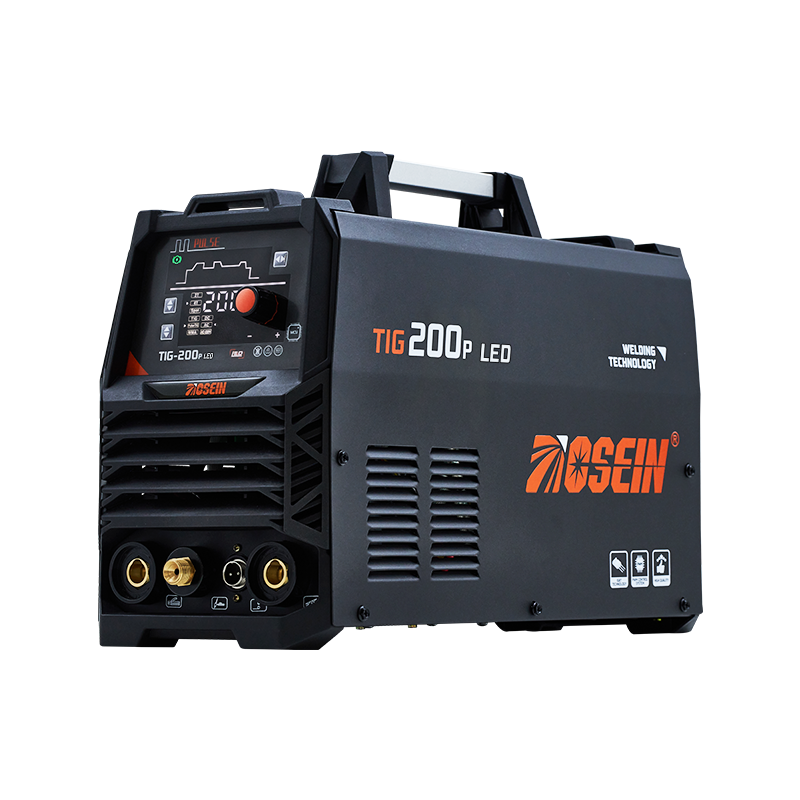
A TIG ACDC Welder Factory is built around this idea of flexibility. Instead of relying on one type of current behavior, the system allows changes in arc response, polarity direction, and energy timing so the same machine can be used across different working conditions.
In practical settings, operators often adjust settings step by step based on how the material reacts, rather than following a fixed pattern. This is where internal design and control logic become important.
What Is Inside a TIG ACDC Welder Factory Power System and How It Shapes Welding Performance
Inside a TIG ACDC Welder Factory power system, the structure is usually arranged in layers that handle energy in different stages. Each stage has a specific role, and together they influence how stable the arc behaves during operation.
At a basic level, the system can be understood as a sequence of energy handling steps:
- Incoming power is stabilized before processing
- Energy is converted into a usable welding form
- Control circuits adjust how that energy is delivered
- Output components send the final current to the torch
What matters in real use is not only each part, but how they respond when conditions change during welding.
| Stage in system | What it does in simple terms | Effect during welding |
|---|---|---|
| Input handling | Keeps incoming energy steady | Reduces irregular arc behavior |
| Conversion stage | Changes energy format | Enables welding output |
| Control section | Sets working mode behavior | Adjusts arc response |
| Output delivery | Sends current to torch | Maintains weld continuity |
A welding equipment manufacturing system of this type relies on this structure to maintain stable output behavior even when switching between different welding conditions.
How AC and DC Modes Work Together in a TIG ACDC Welding System for Different Metal Applications
AC and DC modes are designed to support different material behaviors, and both are integrated into the same welding system so that switching between them does not require changing equipment or setup.
DC operation keeps the arc moving in a steady direction, which makes the heat input more focused on the weld area. This kind of behavior often results in a more controlled weld pool, especially when working along longer joints where consistent travel is needed. The arc response tends to feel stable, allowing movement to remain predictable during operation.
AC operation behaves in a different way because the current alternates direction during the welding process. This alternating behavior helps when the surface condition of the material creates resistance or interference with arc stability. In many cases, it supports interaction with surface layers that can affect how the weld forms, allowing the arc to stay active even when conditions are less uniform.
In practical use, both modes are not treated as separate systems but as integrated functions within a TIG ACDC Welder Factory setup. The transition between AC and DC is managed through control settings, which allows the operator to adjust working behavior according to material response rather than changing any physical components of the machine.
Why AC Balance and Frequency Control Matter in TIG ACDC Welder Factory Technology
When alternating current is used, the way energy is divided during each cycle affects how the weld behaves. This is where AC balance and frequency control come into play.
AC balance influences how much time the system spends in each part of the cycle. One part supports surface cleaning behavior, while the other supports penetration into the material. Adjusting this balance changes how the weld pool forms on the surface.
Frequency control changes how fast the current switches direction. This affects how concentrated or spread out the arc appears during operation.
| Setting | What it influences | What changes in practice |
|---|---|---|
| AC balance | Energy split in cycle | Surface cleaning vs depth behavior |
| Frequency control | Switching speed | Arc focus and movement feel |
Within this type of welding equipment manufacturing system, these adjustments are used to match different surface conditions without changing the physical setup.
How Pulse TIG Control Is Designed in Modern Welding Equipment Manufacturing Processes
Pulse operation changes the way current is delivered over time. Instead of staying constant, the output moves between higher and lower levels in a repeating pattern.
This creates a rhythm in heat input. The higher level supports fusion, while the lower level allows cooling moments between cycles. This helps manage heat buildup during sensitive work.
Inside a TIG ACDC Welder Factory, pulse control is managed through timing circuits that coordinate these changes automatically once parameters are set.
Pulse cycle behavior
- High output phase supports weld formation
- Lower output phase reduces heat accumulation
- Transition between phases keeps arc active
This structure helps reduce sudden heat concentration and allows smoother control over weld appearance and material response.
Which Materials Can Be Processed Using a TIG ACDC Welder Factory Built Machine System
A TIG ACDC Welder Factory built machine is often valued for the range of materials it can handle without forcing the operator to switch to a different setup. The same base system can respond differently depending on how the current is adjusted, which makes it suitable for work on metals with very different surface and heat behavior.
When the material reflects heat in a stable way, the machine can work with a more direct output pattern. When the surface condition makes arc control harder, the same system can shift into a mode that supports better surface interaction. This is why the material list is not limited to one type of job. Instead, the equipment is used across tasks where the weld needs to match the character of the metal rather than a fixed pattern.
In day-to-day use, this flexibility helps reduce unnecessary changeovers. It also gives the operator more room to adapt to mixed workshop conditions, where different metals may appear in the same production line or maintenance task. A welding equipment manufacturing system is often selected for that kind of practical range, where one machine has to follow the needs of several working situations.
How Inverter Based Design Improves Arc Stability in TIG ACDC Welder Factory Equipment
Inverter based design changes the way power is handled inside the machine. Instead of relying on a more rigid output pattern, the system processes energy in a way that supports quicker response and finer control. That matters because welding performance is not only about output strength. It is also about how smoothly the arc reacts when the work changes during operation.
With this kind of design, the machine can adjust output more directly when the arc needs correction. That helps reduce uneven behavior and gives the operator a steadier working feel. The arc is less likely to drift in a way that interrupts the weld path, especially when the joint shape or material condition changes from one section to another.
A welding equipment manufacturing system that uses inverter based design also tends to offer a more controlled transition between operating states. That can be useful when the welding task calls for repeated starts, short weld sections, or movement across different thickness levels. The machine is not simply producing current. It is managing how that current is delivered, which is what gives the arc a more organized response in practical use.
TIG ACDC Welder Factory machines are often selected in environments where welding conditions change frequently and process control needs to remain steady across different tasks. Their use is not limited to a single industry segment, but instead spreads across several practical working areas where adaptability matters more than fixed operation.
- Fabrication workshops
These spaces often deal with multiple material types and varied joint structures in the same workflow. A TIG ACDC Welder Factory machine supports this by allowing the operator to adjust working behavior without changing equipment, which helps keep production flow more continuous.
- Repair and maintenance environments
In repair work, conditions are rarely uniform. Surfaces may be uneven, components may vary in composition, and welding positions can shift. The ability to switch between operating modes makes the process more manageable under these changing conditions.
- Industrial maintenance operations
Maintenance work in industrial settings often requires equipment that can handle different repair scenarios in confined or limited working areas. A welding equipment manufacturing system is commonly used because it allows flexible response to different repair requirements while maintaining stable arc behavior.
- Mixed production lines
In some production setups, different parts are processed within the same workspace. Welding tasks may vary from one station to another, and a single adaptable machine helps reduce unnecessary equipment changes during operation.
- Small batch or custom fabrication work
When production is not repetitive, welding requirements can change from one order to the next. Equipment flexibility becomes important in adjusting to different design and material needs without restructuring the workflow.
How Control Board Engineering Influences Welding Precision in a TIG ACDC Welder Factory System
Control board engineering has a direct effect on how the machine responds during welding. The board acts as the part that interprets settings and turns them into working behavior, so even small differences in design can change how the arc feels during use. When the control logic is arranged in a clear and stable way, the machine responds more predictably to operator input.
This matters because welding precision is not only about manual skill. It also depends on how accurately the equipment follows the selected settings. If the control board manages timing and output changes in a steady way, the machine is more likely to keep the arc behavior close to what the operator expects. That can help when working on detailed joints or when the task requires a consistent pattern from start to finish.
In a TIG ACDC Welder Factory system, the control board also supports the way the machine switches between working modes and adjusts output behavior during the weld. That makes it one of the more important parts of the overall structure, even though it is often hidden from direct view. For buyers and users looking at a practical machine choice, that internal control quality can shape the everyday welding experience more than appearance alone. Zhejiang OSEIN Welding Equipment Co., Ltd. often appears in this type of discussion when people are comparing how factory level design affects day to day welding control.