 English
 Español

Latest News
Latest News
Latest News
Latest News
Latest News
Latest News
Latest News
Latest News
Latest News
Working with steel and aluminum in the same workshop requires more than changing the filler wire. Differences in wire flexibility, shielding gas requirements, and feeding characteristics mean that accessories must match each material and welding process. At OSEIN, we encourage buyers to review the complete equipment configuration before ordering a mig welder for steel and aluminum. Checking compatibility in advance helps prevent unexpected accessory costs and ensures the proposed setup matches the intended fabrication tasks.
1. Check the MIG Gun and Wire Feeding System
The welding gun and wire feeder directly affect how consistently filler wire reaches the arc. Steel wire is relatively stiff, while aluminum wire is softer and more susceptible to deformation during feeding. A setup designed for steel may require additional components before it can handle aluminum reliably.
- MIG torch compatibility: Confirm the torch connection, current rating, cable length, and compatibility with the selected welding machine.
- Spool gun support: A compatible spool gun keeps a small wire spool close to the torch, reducing the distance soft aluminum wire travels through the feeding system.
- Push-pull gun options: A push-pull system uses coordinated drive mechanisms to help feed aluminum wire across longer cable distances.
- Drive rolls: Verify that the roll groove and pressure settings suit the wire material and diameter.
Not every MIG machine supports every gun configuration. Buyers should confirm the required connections and compatible accessories against the exact model specification before placing an order.
2. Match Liners and Contact Tips to the Wire
Liners guide the electrode wire through the welding torch, while contact tips transfer electrical current to the wire near the arc. Incorrect sizes or unsuitable materials can cause inconsistent feeding and unstable welding conditions.
- Steel wire liners: Conventional metal liners are commonly used with suitable steel wire configurations.
- Aluminum wire liners: Low-friction polymer liners, such as suitable nylon or PTFE designs, can help protect soft wire during feeding.
- Contact tips: Check the wire diameter, tip design, and manufacturer's compatibility recommendations. Aluminum wire may require dedicated tips designed for its thermal expansion and feeding characteristics.
- Nozzles and gas diffusers: Confirm that these components fit the torch and provide suitable shielding gas coverage for the application.
Wire diameters such as 0.8 mm, 0.9 mm, and 1.0 mm are common in different MIG applications, but the available sizes depend on the machine, feeder, torch, and consumable range. We recommend confirming the complete wire path rather than purchasing liners and tips based on diameter alone.
3. Verify Shielding Gas and Gas Delivery Components
Shielding gas requirements change with the base material and welding procedure. Steel MIG welding may use carbon dioxide or an argon-based mixture, depending on the wire classification and transfer mode. Aluminum MIG welding commonly uses pure argon for standard workshop applications.
- Regulator and flowmeter: Check the gas type, inlet connection, pressure rating, and flow adjustment range.
- Gas hose and fittings: Confirm that the supplied hose and connectors match the regulator and welding machine arrangement.
- Cylinder arrangements: Consider the workshop's cylinder connections, storage provisions, and gas supply requirements.
Using a steel shielding gas mixture for aluminum without confirming process suitability can compromise arc behavior and weld quality. Buyers should establish the correct gas specification before preparing their accessory list.
4. Select Filler Wire and Workpiece Connection Components
Filler wire must match the base material and the requirements of the finished joint. Steel and aluminum wires are not interchangeable, and the correct selection depends on alloy composition, joint design, service conditions, and the approved welding procedure.
- Confirm the filler wire classification and diameter for each material.
- Check whether the feeder supports the intended wire spool dimensions and weight.
- Inspect the work cable, grounding clamp, terminals, and insulation for suitable ratings and secure connections.
- Keep steel and aluminum wire, preparation tools, and consumables clearly separated to reduce cross-contamination risks.
For aluminum work, dedicated cleaning tools help prevent steel particles from contaminating the prepared surface. Suitable surface preparation is particularly important because aluminum oxide and contamination can affect welding results.
5. Compare the Complete Accessory Package Before Ordering
At OSEIN, we recommend asking suppliers to identify which accessories are included with the welding machine and which require separate purchase. A quotation should distinguish between standard equipment, optional components, and consumables needed for each material.
| Accessory | Key purchasing check |
| MIG torch | Connection, current rating, cable length, and gun compatibility |
| Wire feeder and drive rolls | Supported wire materials, diameters, and spool sizes |
| Liner and contact tips | Material suitability, wire diameter, and torch compatibility |
| Spool gun or push-pull gun | Model compatibility and aluminum wire feeding requirements |
| Regulator and gas hose | Gas type, fittings, and flow adjustment range |
| Work cable and grounding clamp | Current rating, connection type, and cable condition |
Discuss Your Welding Requirements with OSEIN
Purchasing accessories as a coordinated package can simplify equipment preparation and help buyers avoid incompatible components. Before confirming an order, share the materials to be welded, wire diameters, expected workload, available power supply, and preferred torch configuration with our team.
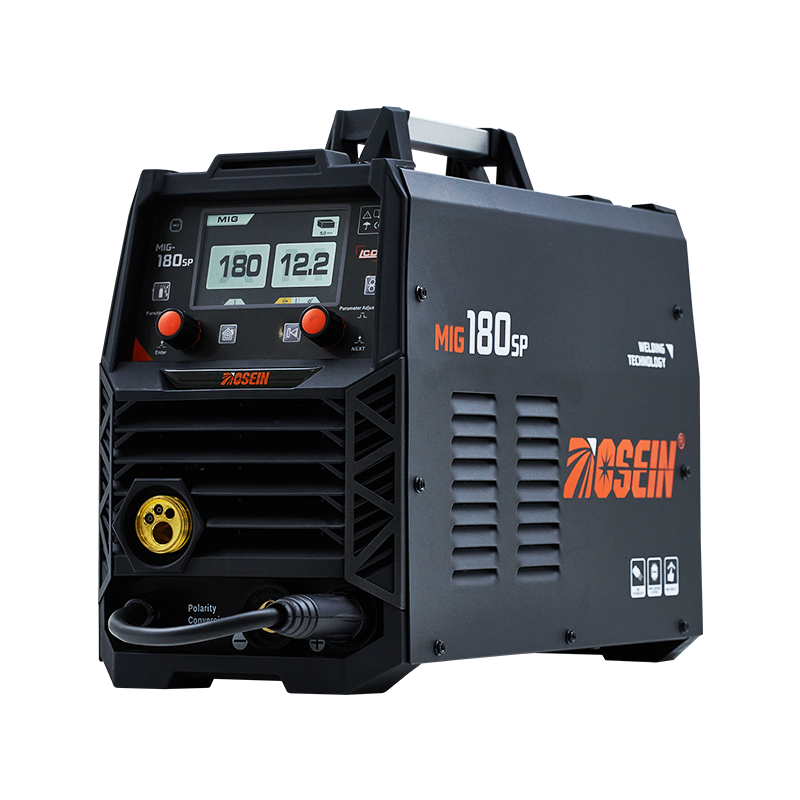
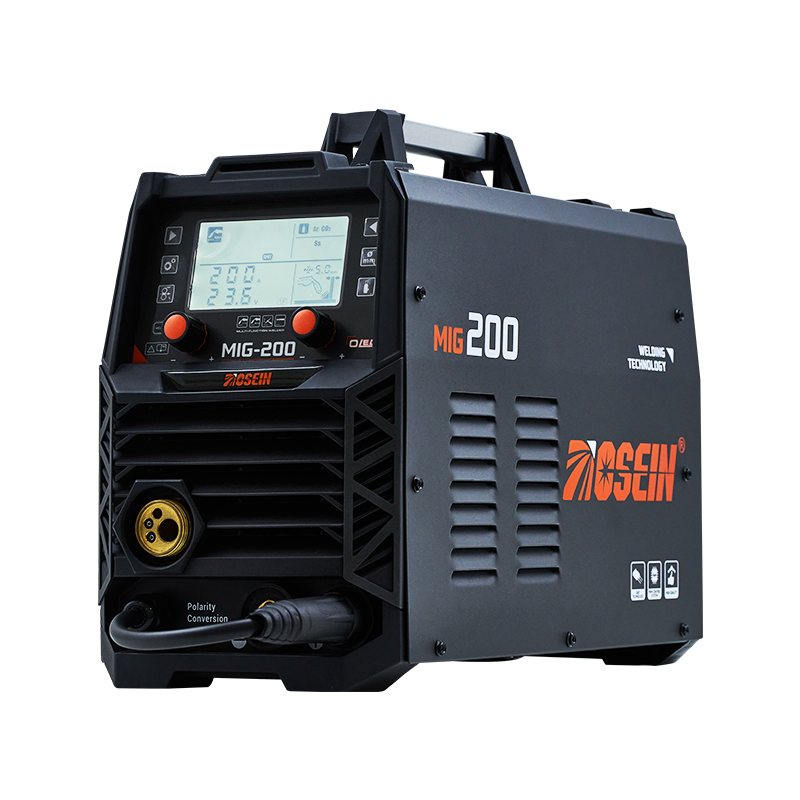
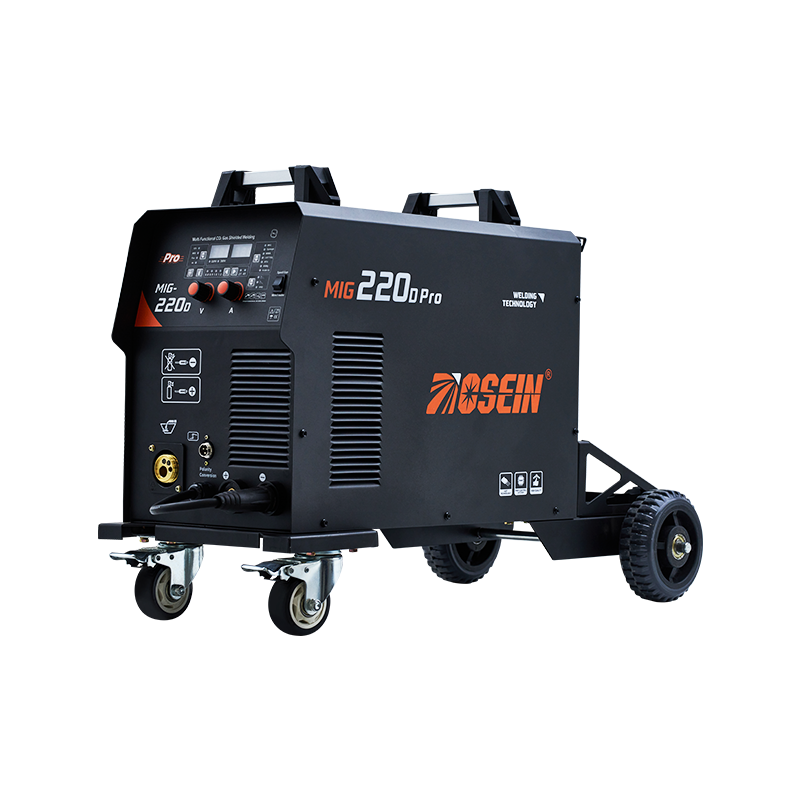
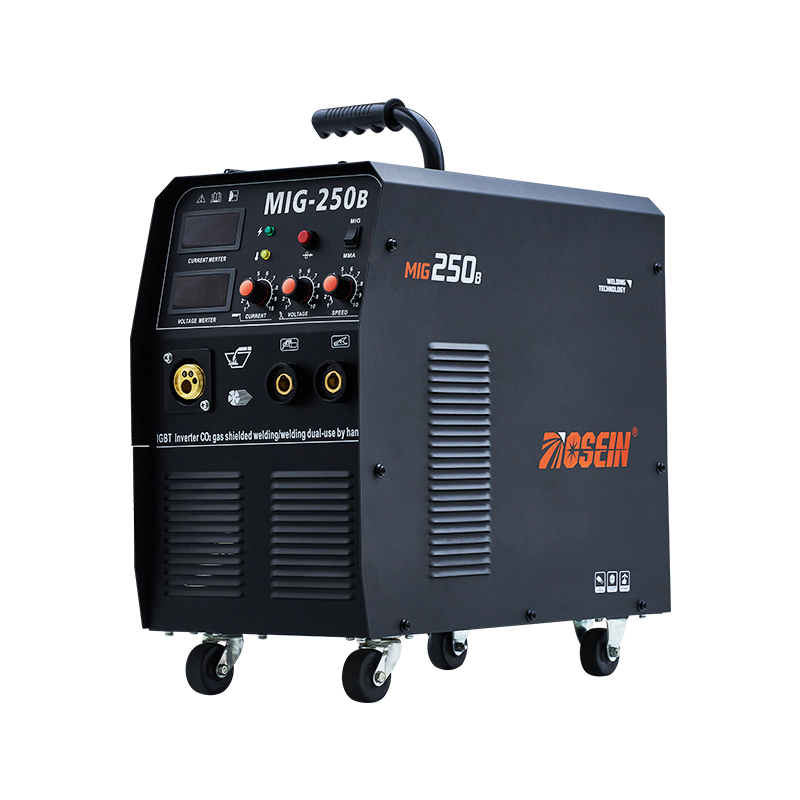
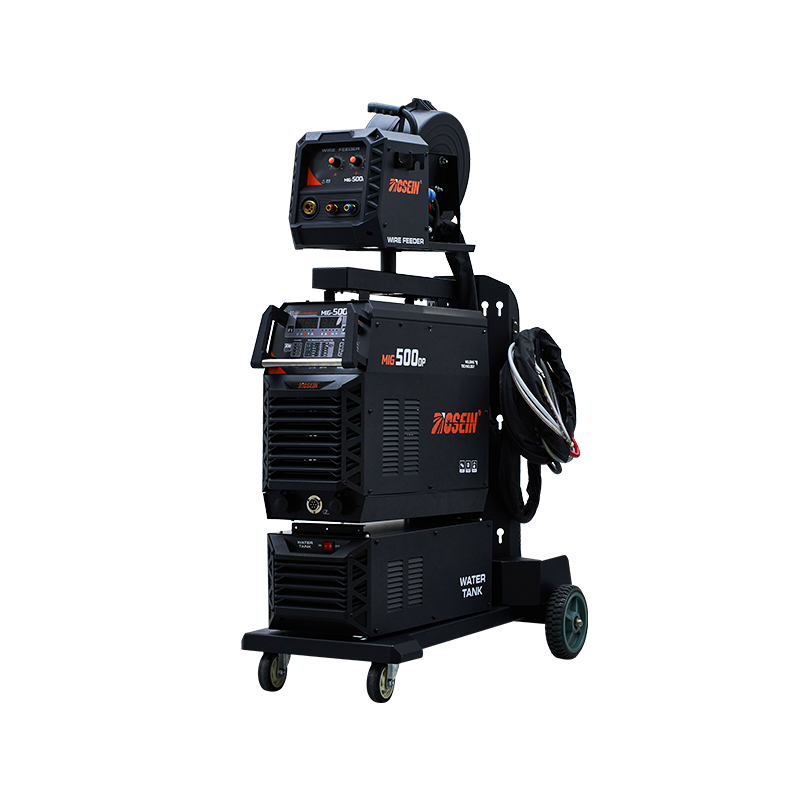
OSEIN offers MIG/MAG welding equipment with different configurations, including models designed to support aluminum welding applications. Available functions and accessory compatibility vary by model, so we recommend reviewing the relevant technical datasheet before making a decision.
Contact us through osein-welding.com to discuss your steel and aluminum welding requirements. By checking the machine, feeding system, consumables, and gas delivery components together, your purchasing team can prepare a more complete equipment package for the intended workshop applications.