 English
 Español

Latest News
Latest News
Latest News
Latest News
Latest News
Latest News
Latest News
Latest News
Latest News
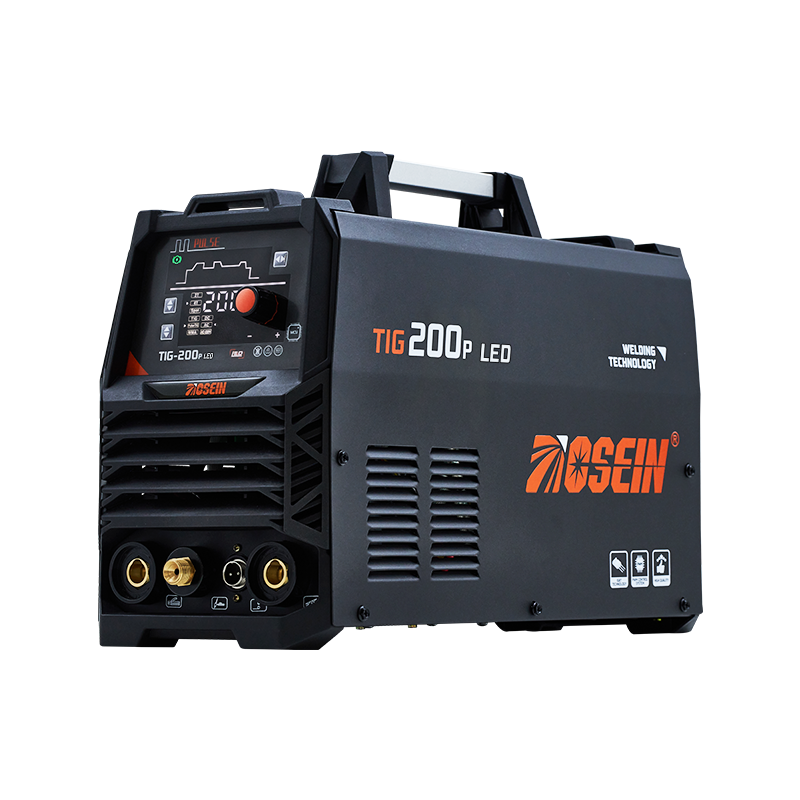
A TIG ACDC Welder is a versatile welding machine designed to handle both alternating current (AC) and direct current (DC) welding tasks. This flexibility allows it to work efficiently with a variety of metals, including aluminum, stainless steel, and mild steel. Understanding its features, operation, and applications can help both hobbyists and professionals select the right welder for their projects.
AC and DC Functionality
One of the key features of a TIG ACDC Welder is its ability to switch between AC and DC modes. AC mode is ideal for welding aluminum and magnesium, as it provides cleaning action that removes oxide layers on the metal surface. DC mode, on the other hand, is suitable for welding steel, stainless steel, and copper alloys, offering stable arcs and precise control.
This dual capability makes the welder adaptable to a wide range of materials, reducing the need for separate machines for different metals.
Construction and Components
A typical TIG ACDC Welder includes a power supply unit, a TIG torch, grounding cables, and a foot pedal or hand control for adjusting amperage. The machine's digital or analog interface allows the user to set parameters such as current type, amperage, and pulse frequency.
High-quality welders are designed with durable components to withstand industrial or workshop environments. Copper contacts, cooling fans, and stable transformers or inverters contribute to reliable performance during extended use.
Applications Across Industries
TIG ACDC Welders are widely used in automotive repair, aerospace, metal fabrication, and construction. They are especially valued when precision and clean welds are required. For example, aluminum frames, stainless steel kitchen equipment, and structural steel components can all be effectively welded with a TIG ACDC machine.
Hobbyists and small workshops also benefit from its versatility, allowing them to handle multiple metals without investing in separate welding machines.
Ease of Use and Control
Modern TIG ACDC Welders offer features such as pulse welding, adjustable pre-flow and post-flow gas control, and digital displays to assist in precise welding. These features make it easier for operators to maintain consistent arcs and produce clean welds, even on thin or challenging materials.
Proper training and experience still play a role in achieving high-quality welds, but the machine's adjustable settings help reduce errors and improve overall results.
Maintenance and Longevity
Maintaining a TIG ACDC Welder involves regular inspection of cables, torches, and consumables such as tungsten electrodes. Cleaning cooling fans and ensuring stable electrical connections contribute to long-term performance.
Because these machines are designed to handle both AC and DC welding, maintaining them properly ensures versatility and reliability for many years.
Selecting the Right TIG ACDC Welder
When choosing a TIG ACDC Welder, buyers should consider maximum amperage, duty cycle, cooling method, and included accessories. Compatibility with the metals and thicknesses you typically work with is essential. Additionally, some models allow for foot pedal control, which provides more precise current adjustments during welding.
Working with reputable manufacturers that provide clear specifications and support ensures the welder meets your project requirements and operates safely.
A TIG ACDC Welder is a flexible and practical tool for both professional and hobbyist metalworkers. Its dual AC/DC functionality, precision control, and adaptability to multiple materials make it suitable for a wide range of welding applications. By understanding its features, applications, and maintenance needs, users can select a machine that delivers reliable performance and high-quality welds over the long term.