 English
 Español

Latest News
Latest News
Latest News
Latest News
Latest News
Latest News
Latest News
Latest News
Latest News
Buying a welding machine involves more than checking its rated amperage. A workshop must also consider available electrical power, material thickness, operating hours, and the welding processes required for daily jobs. At OSEIN, we help buyers evaluate these factors before deciding which equipment configuration fits their production needs. An AC DC aluminum TIG welder can support aluminum, steel, and stainless steel applications, provided its output and operating functions match the intended work.
1. Confirm the Available Workshop Power Supply
Electrical compatibility should be checked before placing an order. A machine rated for 220V input may not be suitable for every workshop circuit, particularly where other equipment shares the same supply.
- Input voltage: Verify the rated voltage and confirm that the local supply falls within the manufacturer's permitted range.
- Frequency: Check whether the machine supports the local electrical frequency, such as 50Hz or 60Hz.
- Input current: Review maximum and effective input current, circuit capacity, and installation requirements.
- Power connections: Confirm the plug, cable, grounding arrangement, and any applicable electrical installation requirements.
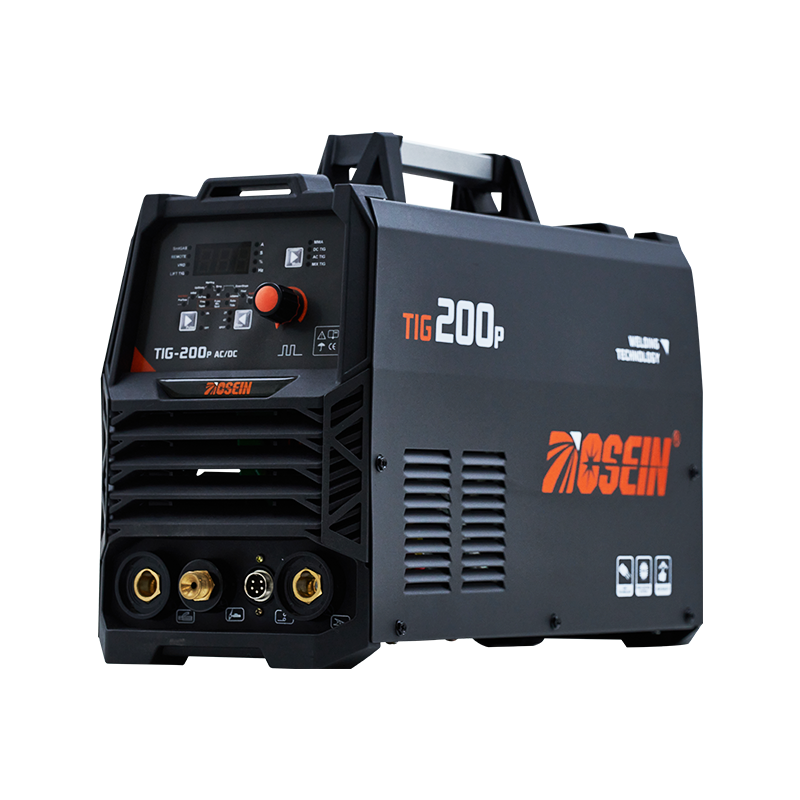
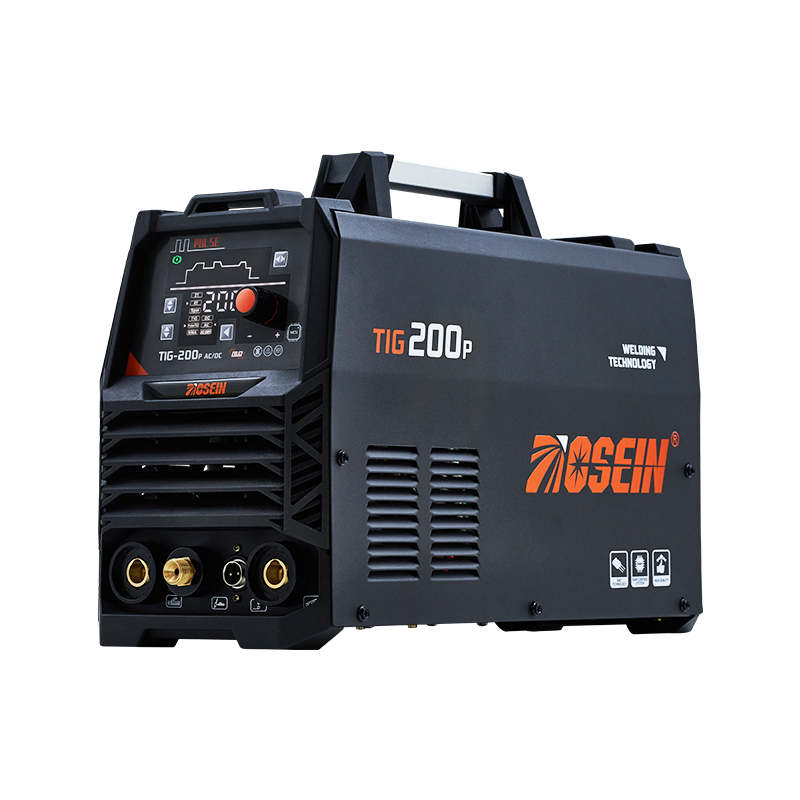
Our TIG-160P and TIG-200P AC/DC models specify 220V input and 50/60Hz operation. The TIG-200P lists a maximum input current of 33.1A for TIG operation, so buyers should check the actual model data and arrange a suitable circuit with a qualified electrician. A compatible voltage rating alone does not establish that an existing outlet can support the machine at its intended output.
2. Match Output Current to Material Thickness
Different materials and joint configurations require different heat input. Thin aluminum sheet needs careful current control, while thicker sections and longer seams may require greater output and a suitable duty cycle.
- Thin materials: Check the lower end of the current range and whether the machine provides the control needed to limit distortion and burn-through.
- General fabrication: Compare the rated output with the alloy, thickness, joint design, and welding position.
- Heavy or repetitive work: Consider whether the machine can maintain the required output without excessive cooling interruptions.
The TIG-200P AC/DC provides a TIG output range of 10–200A. This gives buyers a useful reference point, but the suitable thickness range cannot be determined from amperage alone. Actual results depend on the material, joint preparation, filler metal, and welding procedure.
3. Check Duty Cycle Against Daily Workload
Duty cycle describes how long a machine can weld at a specified output during a defined test period. It is particularly important for workshops that regularly weld long seams or handle repeated aluminum fabrication orders.
OSEIN's TIG-200P specification lists a 60% duty cycle at 200A under the stated 25°C test condition. At 40°C, the published rating is 25% at 200A, 60% at 129A, and 100% at 100A for TIG operation. These figures illustrate why ambient temperature and rated test conditions matter when comparing machines.
- Compare duty-cycle figures at the current your operators will actually use.
- Consider ambient temperatures and ventilation in the installation area.
- Estimate arc-on time and the length of typical welding jobs.
- Review the manufacturer's instructions for thermal protection and cooling requirements.
4. Verify AC/DC Functions and Accessories
AC TIG is commonly used for aluminum because it supports oxide-cleaning action during the welding cycle. DC TIG is suitable for many steel and stainless steel applications. Buyers who need both capabilities should confirm that the machine supports the required current modes rather than relying on a general TIG label.
- AC control: Review the available balance and frequency functions where specified.
- Pulse capability: Check the available pulse settings if controlled heat input is important for the intended work.
- Torch and gas supply: Confirm torch compatibility, suitable tungsten electrodes, shielding gas connections, and required consumables.
- MMA operation: Verify the electrode output range and included accessories if stick welding is also required.
5. Calculate the Complete Purchase Cost
The machine price is only one part of the equipment budget. Buyers should include electrical installation, shielding gas, torches, consumables, operator training, and potential service expenses. A compact machine may suit a repair workshop, while a production facility with extended welding periods may require a configuration with greater sustained output or additional cooling equipment.
At OSEIN, we recommend preparing a short purchasing checklist before requesting a quotation:
- List the metals, alloys, and thicknesses used in regular jobs.
- Record the available input voltage, frequency, and circuit capacity.
- Estimate daily welding hours and typical operating current.
- Confirm included accessories, warranty terms, and technical support arrangements.
Discuss Your Requirements with OSEIN
An AC/DC TIG welder can suit a workshop when its electrical requirements, output range, duty cycle, and available functions align with actual production needs. At OSEIN, we encourage buyers to compare technical specifications under consistent test conditions and confirm installation requirements before ordering.
Our TIG-200P AC/DC model offers 220V input, a 10–200A TIG output range, and pulse welding capability. Buyers should review the complete datasheet to verify whether its configuration suits their applications. Contact OSEIN through osein-welding.com to discuss your workshop power supply, material requirements, and expected workload before making a purchasing decision.