 English
 Español

Latest News
Latest News
Latest News
Latest News
Latest News
Latest News
Latest News
Latest News
Latest News
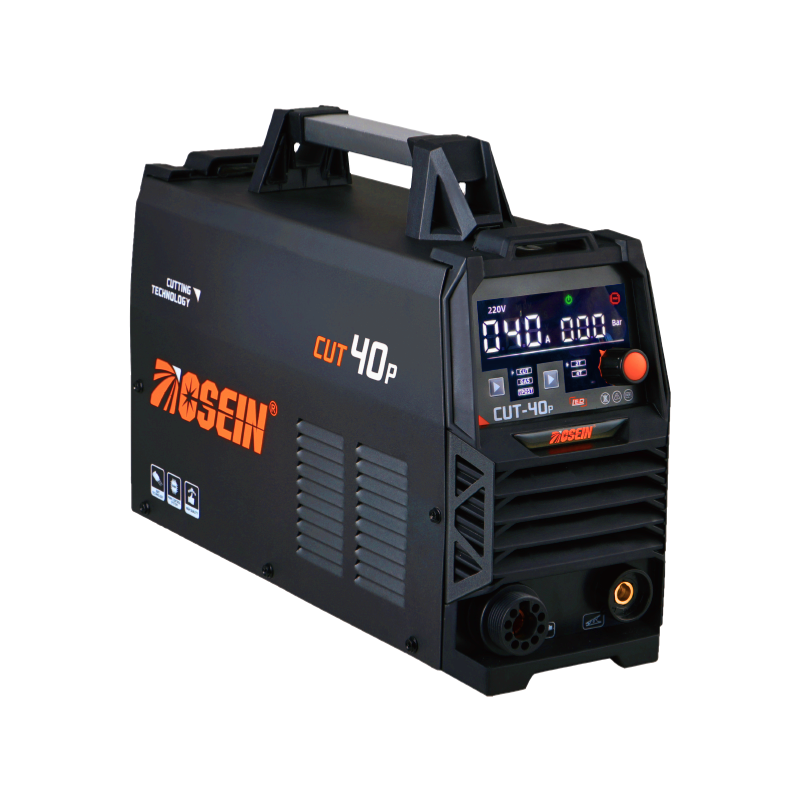
In modern metalworking, efficiency, precision, and safety are key considerations. A non-touch plasma cutting machine has emerged as a tool that addresses these needs by allowing metal cutting without direct contact between the torch and the material. This approach reduces wear on the equipment while producing clean cuts suitable for a variety of metals, including steel, aluminum, and copper alloys.
1. Understanding the Non-Touch Plasma Cutting Machine
A non-touch plasma cutting machine uses a high-velocity jet of ionized gas to melt and remove metal from the workpiece. Unlike traditional plasma cutters, it maintains a small gap between the torch and the material, which reduces friction and extends the life of the consumables.
- Non-Contact Operation: Prevents scratches or damage to the metal surface.
- Versatile Metal Cutting: Suitable for thin and moderately thick sheets.
- Precision Control: CNC integration enables accurate patterns and complex shapes.
By separating the torch from the material, manufacturers and fabricators can achieve more consistent results with minimal maintenance.
2. Advantages of Non-Touch Plasma Cutting Machines
Using a non-touch plasma cutting machine brings several practical benefits to workshops and industrial facilities.
- Extended Consumable Life: Reduced physical contact means electrodes and nozzles last longer.
- Smooth Edges: Cuts often require less post-processing, saving time and labor.
- Reduced Heat-Affected Zone: Minimizes warping or distortion of the metal.
- Higher Safety: Less direct contact reduces the risk of burns or sparks reaching operators.
These advantages make the machine suitable for industries where precision, speed, and safety are critical.
3. Applications in Various Industries
A non-touch plasma cutting machine has diverse applications across metal fabrication and manufacturing sectors.
- Sheet Metal Fabrication: Cutting components for enclosures, panels, and structural parts.
- Automotive Parts: Manufacturing brackets, chassis components, or custom parts.
- Construction: Cutting steel beams or plates for building and infrastructure projects.
- Art and Design: Enables precise shapes for decorative metalwork or signage.
Its flexibility allows both small-scale workshops and large industrial operations to benefit from improved efficiency.
4. Key Features to Consider
When selecting a non-touch plasma cutting machine, several factors influence performance and longevity.
- Adjustable Torch Gap: Ensures optimal cutting performance for different metal thicknesses.
- CNC Compatibility: Supports automated cutting patterns and repeatability.
- Air or Gas Supply: Determines cut quality and the types of metals that can be processed.
- Durable Components: Materials that withstand heat, plasma arcs, and long-term operation.
Attention to these features ensures reliable results and reduces operational downtime.
5. Maintenance and Operational Tips
Even though the machine is non-contact, proper care is essential for sustained performance.
- Regular Cleaning: Remove metal dust and residue from the torch and table.
- Inspect Consumables: Monitor nozzles and electrodes to prevent uneven cuts.
- Check Alignment: Ensure CNC paths and torch height are calibrated for consistent cuts.
- Use Appropriate Gas: The choice of air, nitrogen, or oxygen affects cut quality and speed.
Routine checks and proper operation maximize the benefits of a non-touch plasma cutting machine.
A non-touch plasma cutting machine offers an efficient, precise, and safe solution for modern metal fabrication. By reducing direct contact, it minimizes wear on consumables while maintaining clean, smooth cuts. With applications across automotive, construction, industrial, and artistic sectors, it is a versatile tool that supports productivity and consistent quality. Selecting the right machine and following proper maintenance practices ensures long-term reliability and enhances operational efficiency in any workshop.