 English
 Español

Latest News
Latest News
Latest News
Latest News
Latest News
Latest News
Latest News
Latest News
Latest News
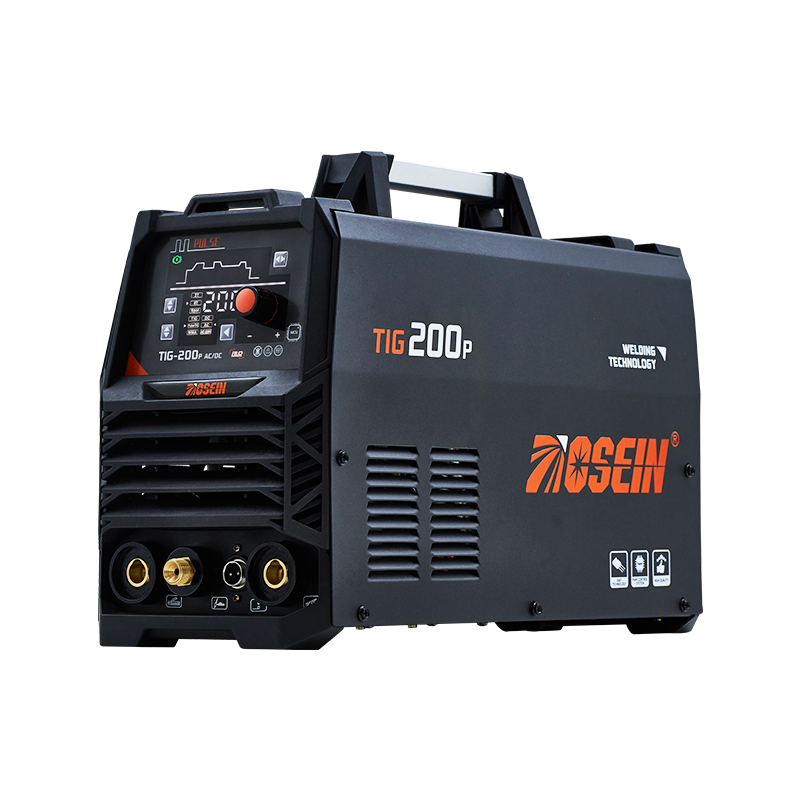
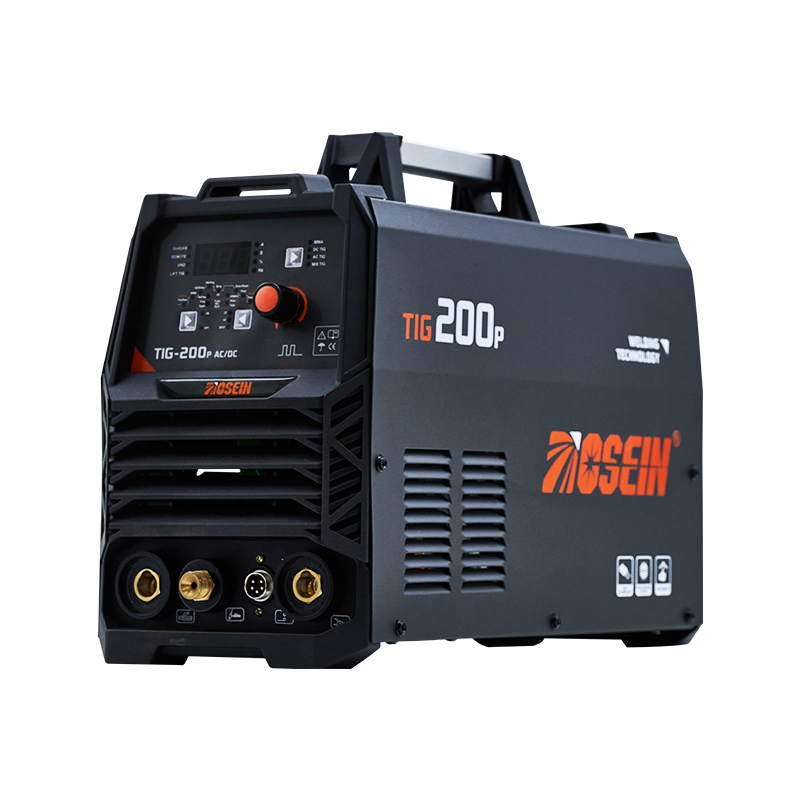
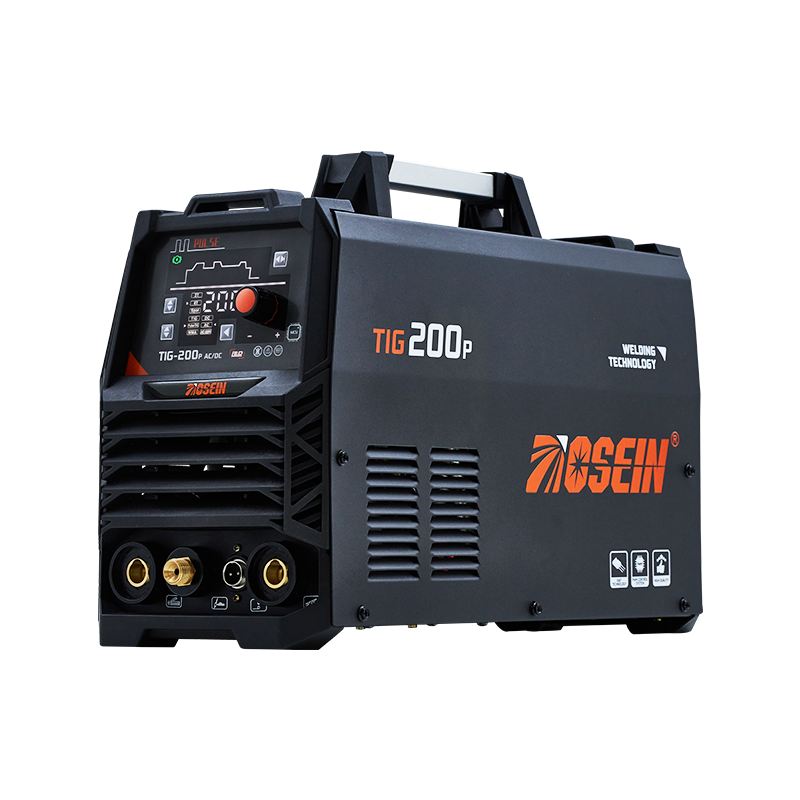
TIG ACDC welders are widely used in industries ranging from aerospace to automotive and metal fabrication. Behind these sophisticated machines are specialized TIG ACDC Welder Factories, which focus on producing equipment that combines precision, versatility, and durability. Understanding the manufacturing process reveals how these factories maintain high standards while supporting diverse welding applications.
1. Component Selection and Material Preparation
A TIG ACDC Welder Factory begins by selecting high-quality electrical components, including transformers, inverters, switches, and control boards. Raw materials such as copper conductors, aluminum housings, and steel frames are carefully chosen for conductivity, strength, and heat resistance.
Key Steps
- Inspecting raw components for compliance with electrical and mechanical standards
- Preparing metal frames and housing through cutting, bending, and surface treatment
- Ensuring insulation materials meet safety and thermal performance requirements
- Proper component selection and preparation form the foundation for a durable and reliable welder.
2. Welding Power Source Assembly
The core of any TIG ACDC welder is its power source. In a TIG ACDC Welder Factory, engineers assemble inverters and control circuits with precision.
Assembly Highlights
- Installing IGBT or MOSFET modules for AC/DC control
- Wiring circuits according to technical schematics
- Integrating cooling systems to prevent overheating during long operation
- Accurate assembly ensures stable current output and consistent welding performance.
3. User Interface and Functionality Integration
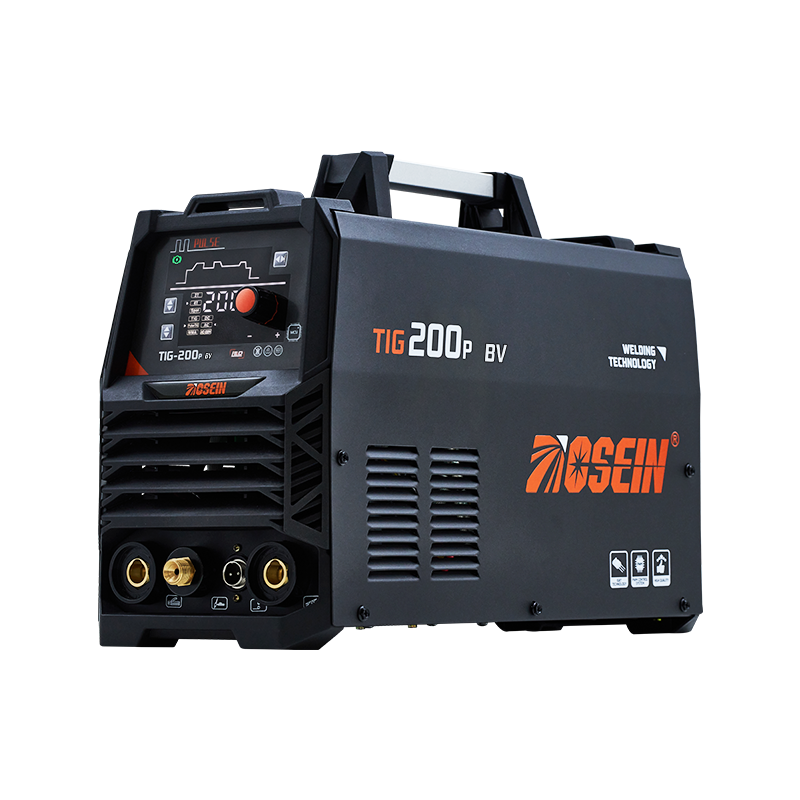
Modern TIG ACDC welders feature intuitive interfaces and multiple functions, which are integrated during the production process.
- Digital displays and rotary controls for current and pulse adjustments
- Mode selection for AC aluminum welding and DC steel or stainless steel welding
- Safety features such as overcurrent protection and thermal cutoff
- By carefully assembling the interface and control features, a TIG ACDC Welder Factory ensures the machine is both functional and user-friendly.
4. Quality Control and Testing
Quality assurance is a critical part of operations. Completed TIG ACDC welders undergo rigorous tests before leaving the factory.
Common Tests Include
- No-load voltage checks and current calibration
- Welding performance tests on aluminum, steel, and stainless steel samples
- Thermal and electrical safety inspections
These procedures confirm that each machine can operate reliably under real-world conditions.
5. Customization and Application Flexibility
Many TIG ACDC Welder Factories offer customizable solutions for different industries.
Custom Options
- Adjustable current ranges for specific welding thicknesses
- Optional foot pedals or remote controls for process convenience
- Specialized cooling systems for continuous industrial operation
Customization allows customers to match the welder to specific materials, thicknesses, and operational requirements.
6. Advantages of Factory-Manufactured TIG ACDC Welders
Factory-produced TIG ACDC welders combine precision engineering with durability and reliability.
- Consistent performance reduces the risk of welding defects
- Safety-tested machines minimize workplace hazards
- Modular designs simplify maintenance and part replacement
These advantages make welders from professional factories suitable for both small workshops and large industrial applications.
A TIG ACDC Welder Factory combines careful component selection, precise assembly, functional integration, and thorough testing to produce welders capable of handling diverse welding tasks. By offering customization and attention to safety and performance, these factories ensure that their machines are practical, reliable, and adaptable for a range of metal fabrication applications. The expertise behind manufacturing processes highlights the importance of choosing equipment built with technical precision and quality control in mind.