 English
 Español

Latest News
Latest News
Latest News
Latest News
Latest News
Latest News
Latest News
Latest News
Latest News
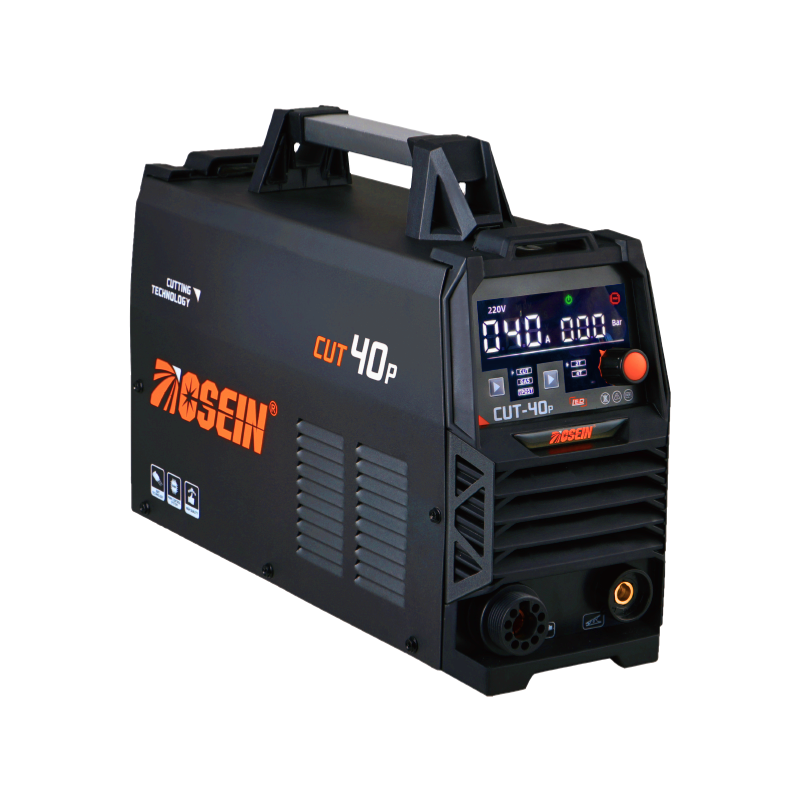
In modern metalworking and fabrication industries, cutting technology plays a crucial role in efficiency and quality. A Non-Touch Plasma Cutting Machine provides a way to cut metal sheets, plates, and tubes with high precision without physically touching the material. By using a plasma arc controlled at a short distance from the workpiece, this type of cutting minimizes material distortion, reduces wear on the equipment, and supports consistent production outcomes.
1. Understanding the Non-Touch Plasma Process
The principle behind a Non-Touch Plasma Cutting Machine is straightforward yet effective:
- Plasma Arc Generation: The machine ionizes gas into plasma, creating a high-temperature arc capable of melting metal surfaces.
- Non-Contact Operation: The torch remains slightly above the material, reducing the risk of mechanical damage and ensuring smoother edges.
- Automated Control: CNC systems or robotic arms guide the plasma torch with high accuracy for complex shapes and patterns.
This process allows manufacturers to achieve precise cuts while maintaining the integrity of the metal.
2. Common Applications
A Non-Touch Plasma Cutting Machine is widely used across different industries due to its versatility:
- Sheet Metal Fabrication: Cutting steel, aluminum, and other metals into specified shapes.
- Pipe and Tube Cutting: Ensures smooth edges for construction, automotive, and HVAC components.
- Industrial Art and Signage: Producing intricate designs or decorative elements from metal sheets.
- Repair and Maintenance: Rapid cutting for replacement parts in factories or workshops.
Its non-contact feature is particularly valuable in applications where surface finish and accuracy are critical.
3. Advantages Over Traditional Cutting Methods
Compared to mechanical cutting tools, a Non-Touch Plasma Cutting Machine offers several benefits:
- Reduced Material Deformation: Non-contact cutting prevents scratches or warping.
- High Precision: CNC-guided movements allow intricate and repeatable designs.
- Faster Production: Plasma cutting is typically quicker than sawing, shearing, or oxy-fuel methods.
- Lower Maintenance: No physical contact means fewer worn components and longer service life.
These advantages make it suitable for industries that require both speed and accuracy.
4. Key Considerations for Users
When selecting a Non-Touch Plasma Cutting Machine, several factors affect performance:
- Material Thickness: Different machines handle varying thickness ranges.
- Gas Type and Flow: Choosing the right plasma gas affects cut quality.
- Control System: Advanced CNC or automated software improves precision and efficiency.
- Safety Features: Proper shielding and ventilation reduce risk from sparks and fumes.
Matching these factors with operational needs ensures consistent and reliable results.
5. Maintenance and Safety Tips
Even though it is non-contact, a Non-Touch Plasma Cutting Machine requires proper care:
- Torch Cleaning: Regularly check and clean the nozzle to maintain arc stability.
- Component Inspection: Monitor electrical connections, gas lines, and CNC controls.
- Operator Training: Proper usage minimizes errors and ensures safe operation.
- Ventilation: Adequate exhaust systems reduce exposure to fumes and particulates.
Routine maintenance supports longer service life and more accurate cutting.
A Non-Touch Plasma Cutting Machine combines precision, speed, and reduced wear to enhance metal fabrication processes. Its ability to cut without touching the workpiece allows for smoother surfaces, consistent shapes, and efficient production. By understanding its operating principle, applications, advantages, and maintenance requirements, manufacturers and workshop operators can integrate this technology effectively, improving both quality and operational efficiency.