 English
 Español

Latest News
Latest News
Latest News
Latest News
Latest News
Latest News
Latest News
Latest News
Latest News
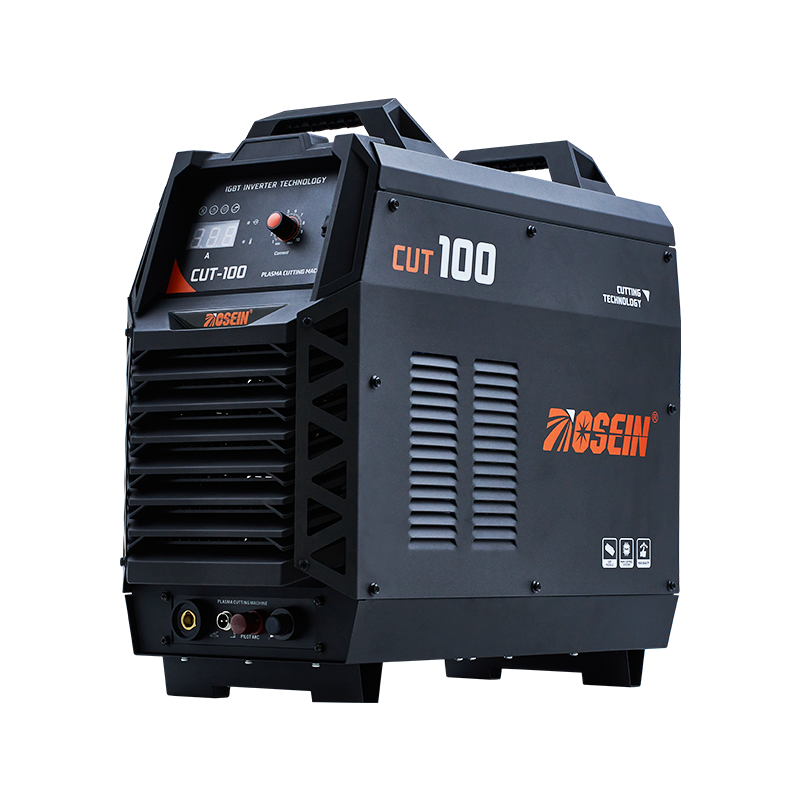
A Thick Plate Plasma Cutting Machine 100A is often promoted for medium-to-heavy fabrication tasks, yet real workshop conditions raise a more specific concern: performance on severely rusted thick steel. Rust layers change electrical conductivity, alter arc attachment behavior, and increase resistance during arc transfer. Even though 100A output appears sufficient on paper, cutting results depend heavily on surface condition, arc stability, and pierce efficiency rather than amperage alone. Rust is not just a surface defect; it behaves like an insulating and uneven conductive layer. That layer forces the plasma arc to spend more energy breaking through contamination before reaching base metal, reducing effective cutting capacity on thick sections.
Rust Layer Impact on Arc Penetration
Severely corroded steel introduces unpredictable resistance zones across the cutting path. Plasma arcs rely on consistent conductivity to maintain focused energy delivery.
- Iron oxide scale thickness above 0.5–1.0 mm significantly reduces arc efficiency during initial pierce.
- Uneven corrosion pits scatter arc energy, weakening straight-line cutting stability.
- Layered rust combined with paint or oil residue increases arc wandering and delayed penetration.
A 100A plasma system can generate sufficient thermal energy, yet rust forces part of that energy into surface breakdown instead of clean metal separation.
Real Cutting Thickness vs Rated Capacity
Manufacturer ratings often assume clean, mild steel conditions. Severely rusted material reduces usable cutting depth even under stable amperage.
- Rated clean-cut range around 25–30 mm may drop noticeably under heavy corrosion.
- Severance cutting capability near 35–40 mm becomes inconsistent on oxidized surfaces.
- Edge quality degradation appears as heavy dross accumulation and wider kerf width.
The energy delivered by a 100A arc remains constant, yet the effective cutting efficiency decreases as rust thickness increases resistance at the cut interface.
Piercing Difficulty on Corroded Surfaces
Piercing represents the most demanding stage of plasma cutting, especially on thick and rusted steel plates. The arc must establish a molten channel before travel begins.
- Delayed pierce time beyond 2–4 seconds increases nozzle wear and arc instability.
- Backfire or arc blowback occurs more frequently on uneven rust layers.
- Partial penetration attempts create hardened slag layers that resist full breakthrough.
A 100A output level can pierce thick clean steel more predictably than rusted material of the same thickness, due to reduced energy loss at the surface interface.
Airflow Stability and Arc Energy Concentration
Compressed air quality plays a critical role in maintaining arc focus. Rust increases turbulence during cutting, demanding more stable airflow conditions.
- Air pressure range around 5.0–6.0 bar supports stable plasma jet formation for thick steel.
- Moisture in air lines weakens ionization, reducing arc density during pierce.
- Inconsistent airflow regulation causes arc flicker and irregular kerf formation.
On rusted material, airflow must work harder to eject molten oxide debris from the cut channel. Any fluctuation reduces penetration consistency.
Torch Distance and Cutting Stability
Arc length control becomes more sensitive on heavily corroded surfaces due to uneven material height and unpredictable melt behavior.
- Excessive torch height above 6–8 mm reduces arc density and weakens penetration force.
- Too close torch positioning increases nozzle wear and risk of double arcing.
- Surface irregularities caused by rust scaling force constant height correction during manual cutting.
Stable torch distance is harder to maintain on uneven rusted plates, directly affecting cut uniformity even under sufficient amperage.
Consumable Wear Acceleration in Harsh Cutting Conditions
Rusted thick steel significantly increases consumable stress due to unstable arc reflection and slag buildup.
- Electrode tip erosion accelerates during repeated pierce attempts on oxidized surfaces.
- Nozzle clogging from molten oxide particles reduces gas flow efficiency.
- Swirl ring contamination disrupts plasma jet symmetry, affecting cut precision.
Even a 100A machine cannot maintain stable consumable lifespan under continuous cutting of heavily rusted thick material without frequent maintenance.
Amperage Alone Does Not Define Capability
A Thick Plate Plasma Cutting Machine 100A delivers sufficient energy for thick steel cutting under controlled conditions, yet severely rusted surfaces introduce variables that reduce usable performance. Corrosion alters conductivity, disrupts arc transfer, and increases pierce resistance, which collectively lowers effective cutting depth and edge quality. Reliable results depend on surface preparation, stable air supply, correct torch height, and consumable condition. Once rust layers are reduced or removed along the cutting path, 100A systems demonstrate far more consistent penetration and cleaner kerf formation even on heavy plate applications.