 English
 Español

Latest News
Latest News
Latest News
Latest News
Latest News
Latest News
Latest News
Latest News
Latest News
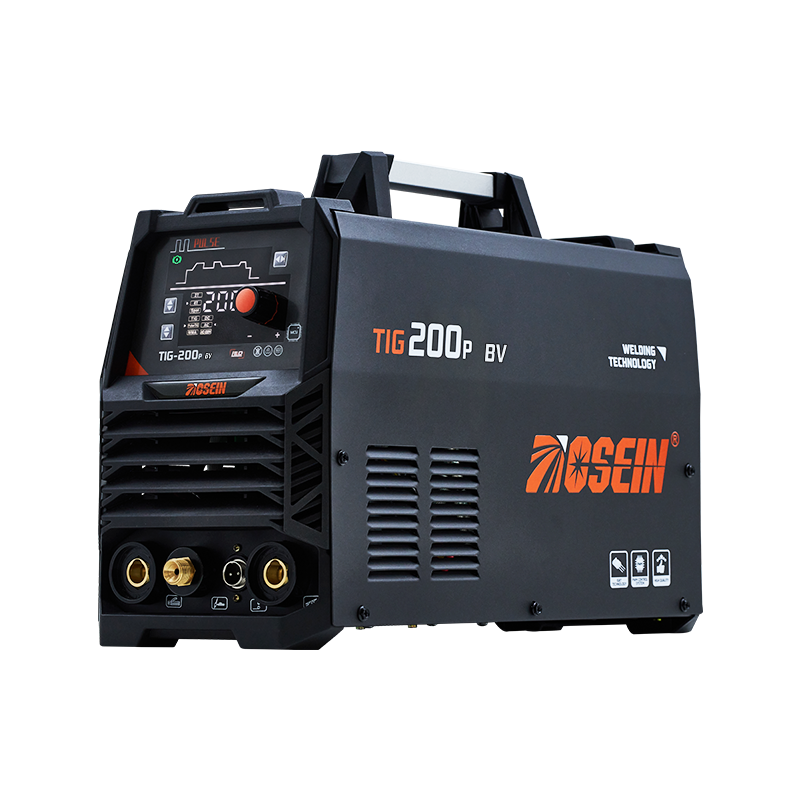
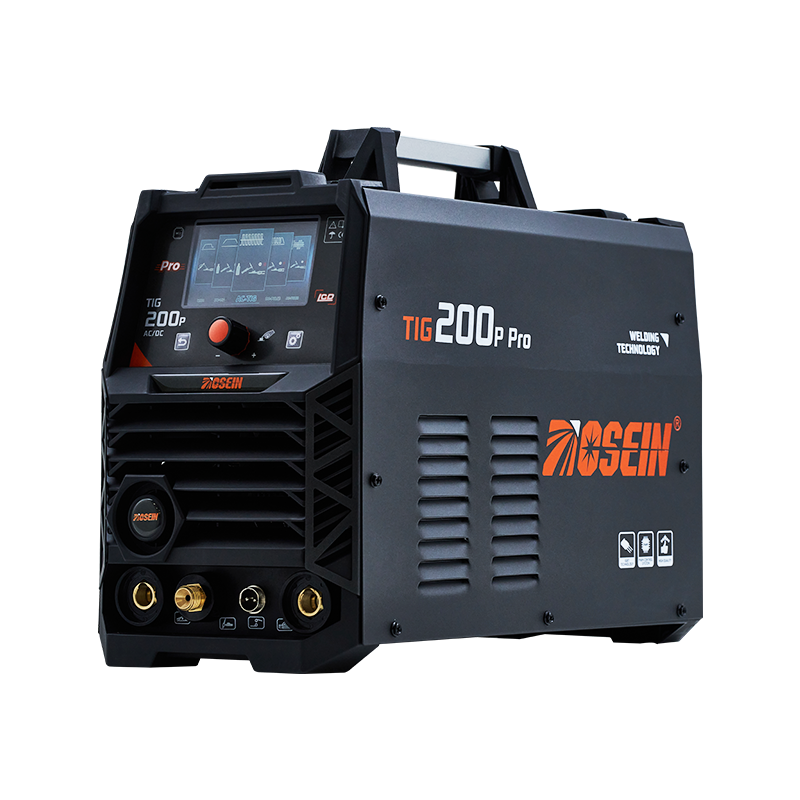
A TIG ACDC Welder is a versatile tool used by professionals and hobbyists alike. Combining both alternating current (AC) and direct current (DC) capabilities, it allows for precise control when welding a variety of metals, including aluminum, stainless steel, and mild steel. The dual current feature expands the types of projects welders can undertake, from delicate repairs to structural fabrication.
The TIG ACDC Welder offers both AC and DC output, each serving specific purposes. DC is typically used for ferrous metals like steel and stainless steel, providing a stable arc and deep penetration. AC, on the other hand, is used for non-ferrous metals like aluminum, where it helps clean the oxide layer during welding.
By switching between AC and DC modes, welders can adjust their technique to suit the metal and thickness of the material. This flexibility reduces the need for multiple machines, making the TIG ACDC welder a practical choice for varied projects.
Precision and Control
One of the key advantages of a TIG ACDC Welder is the precision it offers. The welder allows control over amperage, pulse frequency, and balance, enabling fine adjustments for delicate welds.
For instance, when working on thin aluminum sheets, careful control of the AC balance prevents burn-through and ensures a smooth finish. For steel, adjusting the DC amperage allows for consistent penetration without excessive spatter. This level of control enhances both safety and quality.
Applications Across Industries
TIG ACDC welders are used in multiple industries. In automotive fabrication, they allow for clean joints on aluminum panels and frames. In aerospace and marine applications, the precise welds provided by the machine ensure structural integrity and corrosion resistance. Even hobbyists working on metal art or custom projects benefit from the machine's adaptability.
The ability to weld multiple metals with a single machine also makes it suitable for educational and training environments, helping students gain experience with various techniques.
Ease of Use and Safety
Modern TIG ACDC Welders often include user-friendly features, such as digital displays, foot pedals for amperage control, and memory settings for repeated tasks. These features improve both efficiency and safety.
Proper ventilation and protective equipment remain essential when welding, as both AC and DC arcs produce heat and UV radiation. The machine's stable arc reduces the risk of accidental splatter, while controlled amperage protects the metal from warping.
Maintenance and Longevity
A well-maintained TIG ACDC Welder can provide years of reliable service. Routine checks include inspecting cables, gas connections, and torch components. Keeping the machine clean and storing it in a dry environment helps preserve electronic components and ensures consistent performance.
By following manufacturer guidelines, welders can maintain the quality of the arc and the longevity of the equipment, reducing downtime and repair costs.
A TIG ACDC Welder is more than a machine—it is a versatile tool that brings precision, control, and adaptability to metalworking. Whether for professional fabrication or personal projects, it supports diverse welding needs across multiple metals.
Investing in a TIG ACDC welder allows users to perform high-quality welds efficiently while accommodating a wide range of materials and techniques, making it a valuable addition to any workshop.