 English
 Español

Latest News
Latest News
Latest News
Latest News
Latest News
Latest News
Latest News
Latest News
Latest News
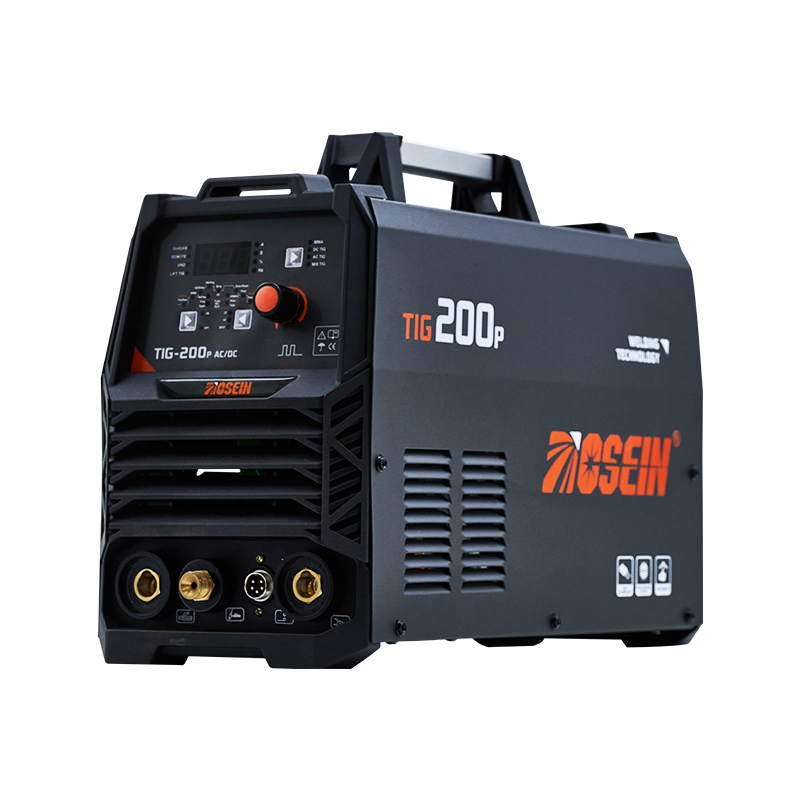
Welding equipment has developed alongside changes in manufacturing needs. As fabrication projects become more diverse, operators often work with both aluminum and steel materials in the same workshop. This shift has increased demand for dual-mode welding systems. In this context, a TIG ACDC Welder Factory plays an important role in producing equipment that supports different material requirements within a single machine platform.
Instead of relying on separate welding units for different metals, many workshops now prefer machines that can switch between AC and DC output modes.
Why Dual-Mode Welding Systems Are Used in Fabrication
Different metals respond differently during welding. Aluminum requires alternating current (AC) to break through oxide layers, while steel and stainless steel are typically welded using direct current (DC).
A TIG ACDC Welder Factory produces machines designed to handle both processes. This allows fabricators to work across multiple materials without changing equipment between tasks.
Common applications include:
- Aluminum structural components
- Stainless steel piping systems
- Automotive repair work
- Custom metal fabrication
- Light industrial maintenance
This flexibility supports workshops that handle mixed production orders.
Manufacturing Process Inside a TIG ACDC Welder Factory
Production in a TIG ACDC Welder Factory involves electronic assembly, component integration, and functional testing. The process is structured to ensure that both AC and DC modes operate within stable parameters.
Typical production stages include:
- Circuit board assembly and calibration
- Transformer and inverter installation
- Control panel configuration
- Cooling system integration
- Final welding performance testing
Each stage is designed to ensure that switching between welding modes operates smoothly under different load conditions.
Role of Testing and Calibration
Before shipment, every unit from a TIG ACDC Welder Factory undergoes testing for arc stability, thermal control, and output consistency. This is important because TIG welding requires controlled heat input to avoid material distortion.
Testing also verifies that both AC and DC functions respond correctly under different amperage settings. In many factories, sample testing is combined with batch inspection to maintain production consistency across multiple units.
Applications in Small and Medium Fabrication Shops
Small fabrication shops often handle varied projects within a single workspace. Instead of investing in separate machines for each material type, they may rely on a single dual-mode unit.
A TIG ACDC Welder Factory supplies equipment that fits these working environments by supporting flexible usage patterns. This includes tasks such as repairing aluminum frames in one job and working on stainless steel structures in another.
This adaptability helps workshops adjust to changing order requirements without reorganizing equipment setups.
Design Considerations in Welding Equipment Production
Engineering welding machines involves balancing power control, cooling efficiency, and user interface design. A TIG ACDC Welder Factory often focuses on modular internal layouts to simplify maintenance and improve component access.
Key design elements include:
- Adjustable current control systems
- Stable arc ignition circuits
- Cooling fan and thermal protection systems
- Portable casing structures for workshop mobility
These features help machines operate in varied working environments, including construction sites and indoor fabrication shops.
Distribution and OEM Production Models
Many global distributors source equipment directly from a TIG ACDC Welder Factory for OEM or private label production. This allows them to adjust branding, packaging, and sometimes machine specifications based on regional market needs.
Factories often manage bulk orders with structured production schedules to support consistent delivery cycles. This approach is commonly used in industrial equipment supply chains where repeat orders are common.
Maintenance and Workshop Usage
In daily workshop use, welding machines require regular cleaning and inspection. Dust buildup, cable wear, and cooling system blockage can affect performance over time.
A TIG ACDC Welder Factory often designs machines with service accessibility in mind, allowing technicians to replace consumable parts or perform routine maintenance without complex disassembly.
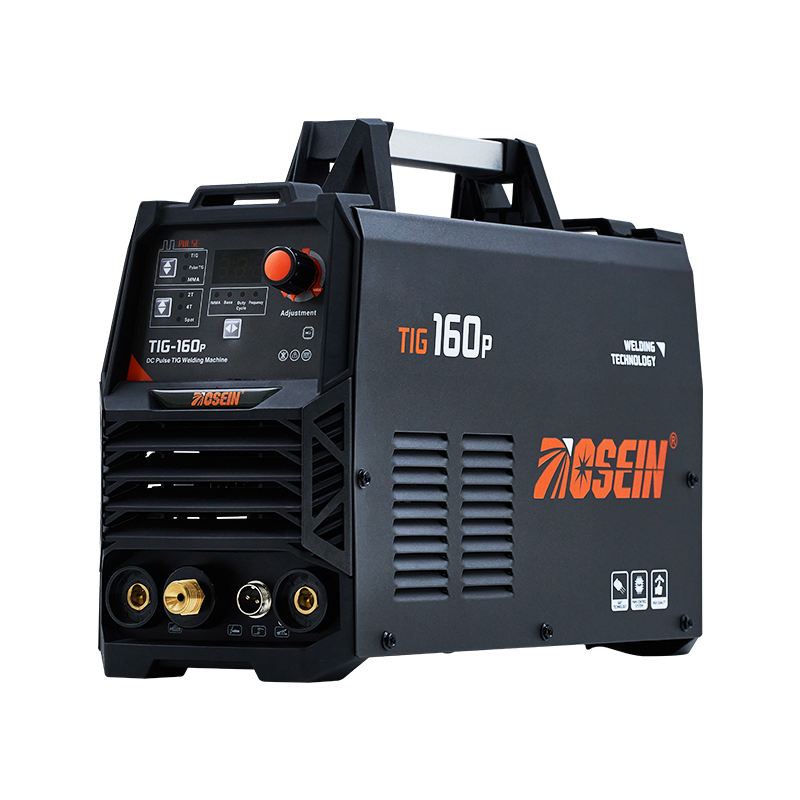
As fabrication work continues to involve a wider range of metals and project types, dual-mode welding systems have become part of standard workshop equipment. A TIG ACDC Welder Factory supports this demand by producing machines that combine AC and DC functionality within a single platform.
Through structured production, testing, and OEM supply models, these factories help workshops manage varied welding tasks while maintaining flexible equipment usage across different industrial applications.