 English
 Español

Latest News
Latest News
Latest News
Latest News
Latest News
Latest News
Latest News
Latest News
Latest News
Aluminum has become an important material across transportation, construction, marine equipment, and customized fabrication industries because of its lightweight structure and corrosion resistance. However, welding aluminum requires different techniques and equipment compared with traditional steel welding. The material’s high thermal conductivity, oxide layer, and sensitivity to contamination create unique challenges during MIG welding operations.
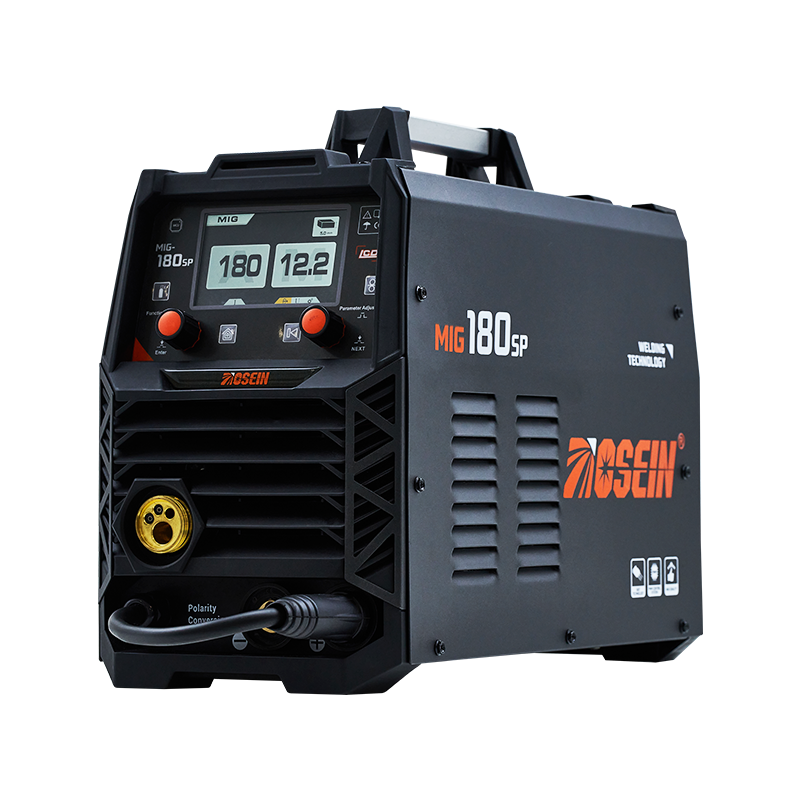
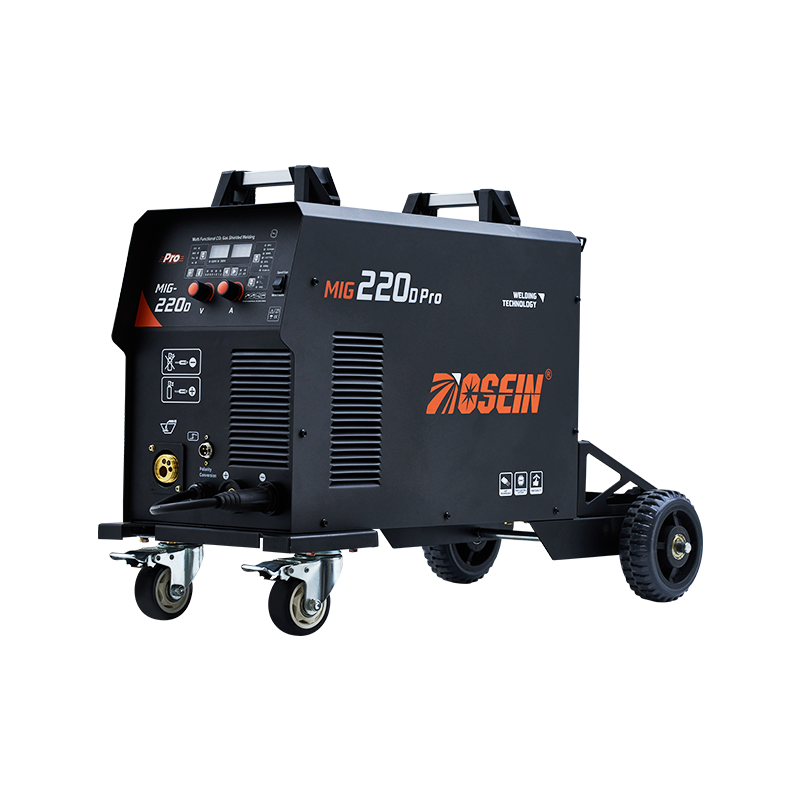
As more workshops and repair professionals begin working with aluminum components, equipment requirements are changing. Users are no longer focused only on welding power output; they are looking for machines that provide stable wire feeding, accurate parameter adjustment, and better control during aluminum fabrication. The Multifunction Aluminum MIG Welder has become a popular solution because it combines MIG welding capability with additional functions that support different materials and applications.
Aluminum Welding Requires More Specialized Control
Compared with mild steel, aluminum behaves differently during welding. It transfers heat quickly, has a lower melting point, and naturally forms an oxide layer that must be managed before achieving a reliable weld. These characteristics make equipment settings and welding control extremely important.
Many users experience common aluminum MIG welding difficulties, including unstable wire feeding, excessive heat input, porosity, and inconsistent weld appearance. These issues have encouraged manufacturers to develop welding machines with improved control systems and aluminum-focused features.
- Stable wire delivery: Helps prevent feeding problems caused by soft aluminum welding wire.
- Accurate voltage adjustment: Supports better control of arc characteristics.
- Adjustable wire speed: Allows operators to match different aluminum thicknesses.
- Spool gun compatibility: Improves aluminum wire feeding performance for certain applications.
The ability to manage these factors has become an important consideration for users who need consistent aluminum welding results.
Spool Gun Support Becomes a Key Aluminum Welding Feature
One of the biggest challenges during aluminum MIG welding is wire feeding. Aluminum wire is softer than steel wire, which means it can easily bend or create feeding resistance inside a standard wire liner. This can interrupt the welding process and affect weld quality.
A modern Multifunction Aluminum MIG Welder often includes compatibility with spool guns or specialized wire feeding systems. A spool gun places the wire spool closer to the welding torch, reducing the distance the soft aluminum wire needs to travel.
Advantages of Improved Aluminum Wire Feeding
- Reduces wire deformation during feeding.
- Improves arc stability during longer welding operations.
- Supports smoother aluminum MIG welding performance.
- Helps operators handle different aluminum alloys more easily.
For workshops handling aluminum repair projects, reliable wire delivery can significantly influence welding consistency and operator experience.
Multi Function Designs Match Diverse Workshop Needs
Many welding users work with different metals and projects rather than aluminum alone. A machine dedicated only to aluminum welding may not provide enough flexibility for small workshops, repair technicians, and fabrication businesses.
This has increased demand for multifunction welding equipment that can support multiple welding processes. A multifunction aluminum MIG machine may combine MIG, flux-cored welding, and MMA functions, allowing users to switch between applications without changing equipment.
Typical Functions Available on Modern Machines
- Aluminum MIG mode: Designed for aluminum sheets, frames, and structural components.
- Steel MIG mode: Suitable for carbon steel fabrication and repair.
- Flux-cored welding: Provides flexibility for outdoor applications.
- MMA welding: Supports general repair work using stick electrodes.
This versatility makes multifunction machines attractive for users who need one compact solution for different welding projects.
Digital Controls Improve Aluminum Welding Adjustment
Aluminum welding often requires precise parameter adjustment because small changes in voltage, current, or wire speed can affect the final weld. Traditional manual controls may require more trial and error, especially for operators working with different aluminum thicknesses.
Modern inverter welding equipment increasingly uses digital control panels that allow easier adjustment and monitoring. Some models provide automatic parameter matching, digital displays, and memory settings to simplify repeated welding tasks.
- Digital display: Shows current welding parameters clearly.
- Synergic control: Helps coordinate voltage and wire speed settings.
- Parameter memory: Saves frequently used welding configurations.
- Arc adjustment: Provides better control over welding behavior.
IGBT Inverter Technology Supports Compact Aluminum Welders
The introduction of IGBT inverter technology has changed the design of modern welding machines. Compared with traditional transformer-based equipment, inverter systems allow manufacturers to create smaller and lighter machines while maintaining stable power output.
A compact multifunction aluminum MIG machine may provide output ranges around 140A to 250A depending on design, with adjustable voltage, wire speed control, and protection systems for different working conditions.
- Compact structure saves workshop space.
- Lower weight improves equipment mobility.
- Advanced electronics provide faster response during welding.
- Integrated protection functions help improve operating safety.
Better Heat Management Helps Protect Aluminum Components
Managing heat input is another major concern during aluminum welding. Aluminum transfers heat much faster than steel, which means welders need equipment capable of delivering sufficient energy while avoiding excessive melting or distortion.
Modern welding machines address this challenge through adjustable parameters, pulse functions on certain models, and improved arc control technology. These features help users achieve more controlled weld pools during fabrication.
Heat Control Features Users Value
- Adjustable inductance settings for arc response control.
- Stable current output for consistent welding conditions.
- Cooling systems designed for longer operation periods.
- Thermal protection to reduce overheating risks.
Future Aluminum MIG Welding Trends Focus on Flexibility
The future development of aluminum welding equipment is moving toward smarter control, easier operation, and broader material compatibility. Users expect welding machines to handle more applications while reducing setup complexity.
- Improved automatic parameter adjustment.
- Greater compatibility with different aluminum alloys.
- More compact designs with stronger output capability.
- Enhanced digital monitoring functions.
The growing demand for lightweight materials will continue pushing welding technology forward. A Multifunction Aluminum MIG Welder provides users with a practical combination of aluminum welding capability, flexible operation, and multi-material support.
As workshops and repair professionals take on more aluminum projects, equipment with better wire feeding systems, digital controls, and multifunction features will become increasingly valuable. The next generation of MIG welding machines will focus not only on power but also on precision, adaptability, and user-friendly operation.