 English
 Español

Latest News
Latest News
Latest News
Latest News
Latest News
Latest News
Latest News
Latest News
Latest News
Modern welding projects often require greater control over heat input, arc stability, and material compatibility. Traditional welding machines usually focus on providing stable current output, but users today are paying more attention to advanced control technologies that can improve welding results across different applications.
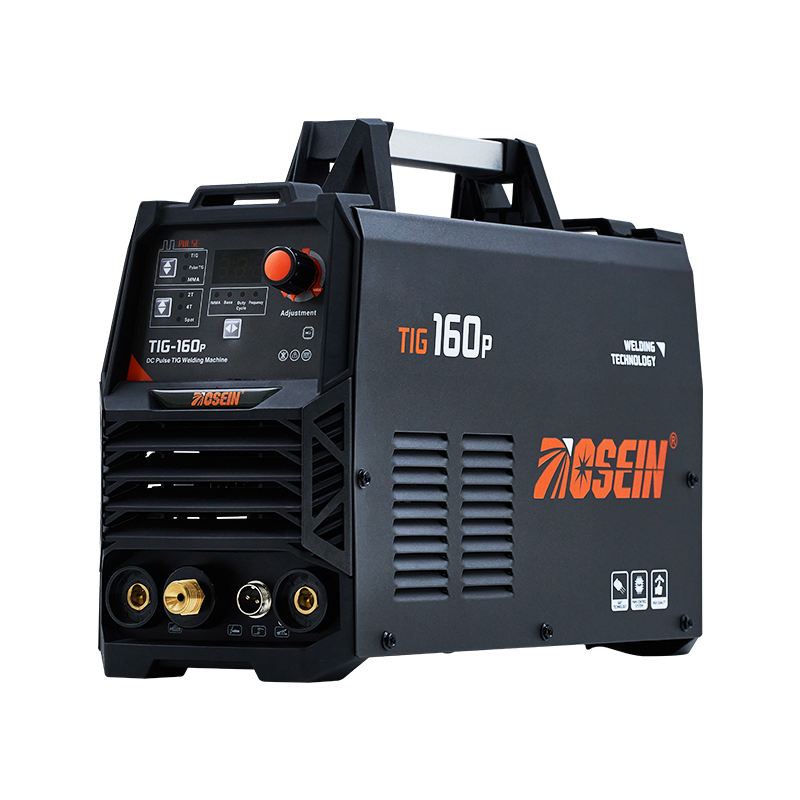
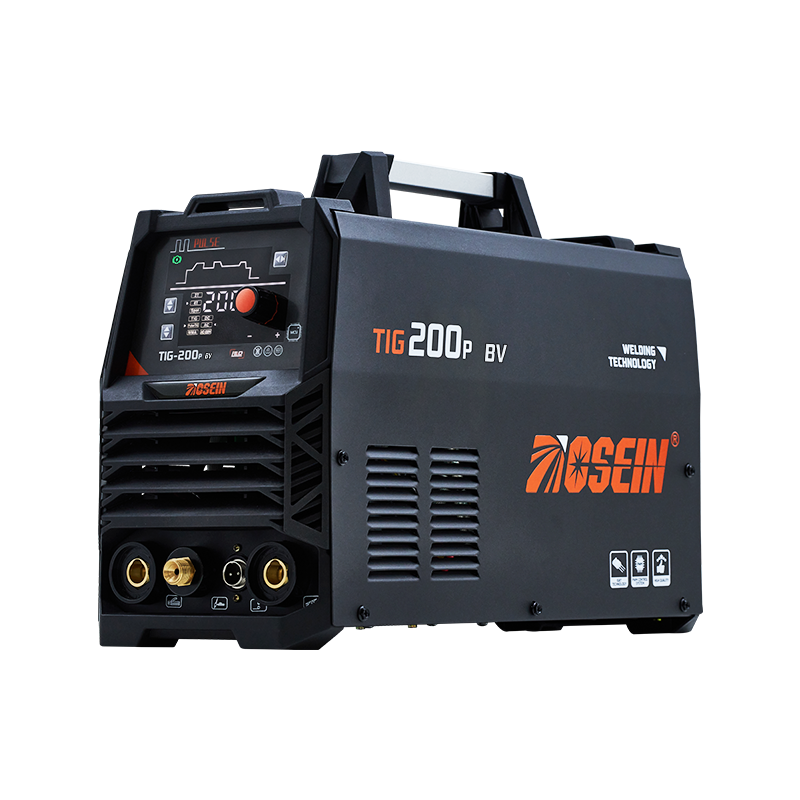
The development of the Multi Process Pulse TIG MMA Welder reflects this changing demand. By combining TIG pulse functions with MMA welding capability, these machines provide operators with more control over the welding arc, especially during tasks involving thin materials, stainless steel, and precision fabrication. Pulse welding technology regulates current changes between peak and background levels, helping control the weld pool and heat distribution.
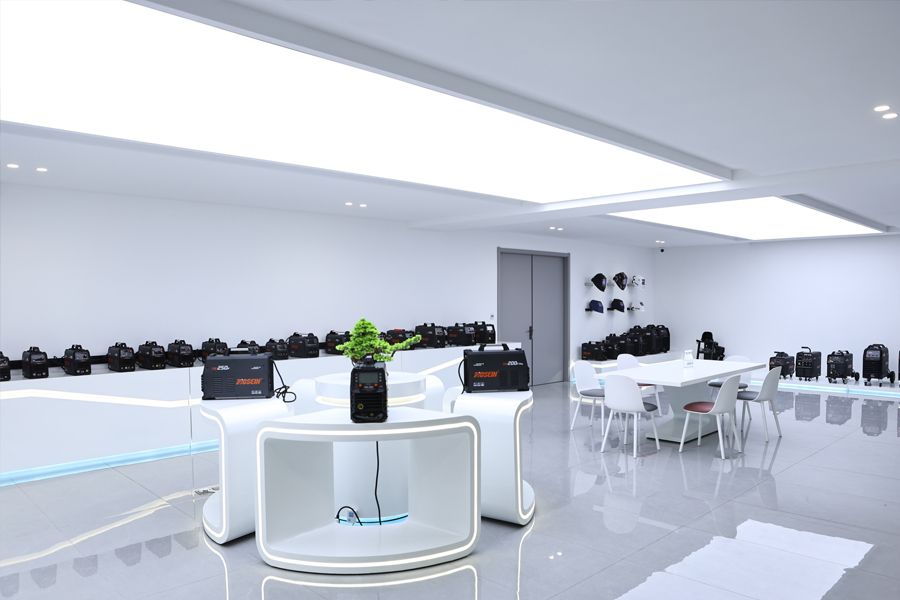
Pulse Control Becomes a Key Feature in Advanced Welding
Pulse welding is gaining attention because it allows the welding current to alternate between higher and lower values during operation. Instead of maintaining a constant current output, pulse technology creates controlled cycles that influence penetration, cooling speed, and weld appearance.
For TIG applications, pulse settings usually include parameters such as pulse frequency, peak current, background current, and duty cycle. Adjusting these values allows operators to manage heat input more accurately, which is especially useful for thin sheets or heat-sensitive materials.
- Peak current: Provides penetration force during the welding cycle.
- Background current: Maintains arc stability while reducing overall heat exposure.
- Pulse frequency: Controls how quickly current changes between high and low levels.
- Pulse width: Determines the duration of peak current within each cycle.
These functions give welders more adjustment options compared with standard constant-current machines.
Multi Process Design Supports Different Welding Tasks
A major trend in welding equipment is combining several welding methods into one machine. A multi process unit can reduce the need for separate equipment while providing flexibility for different materials and working conditions.
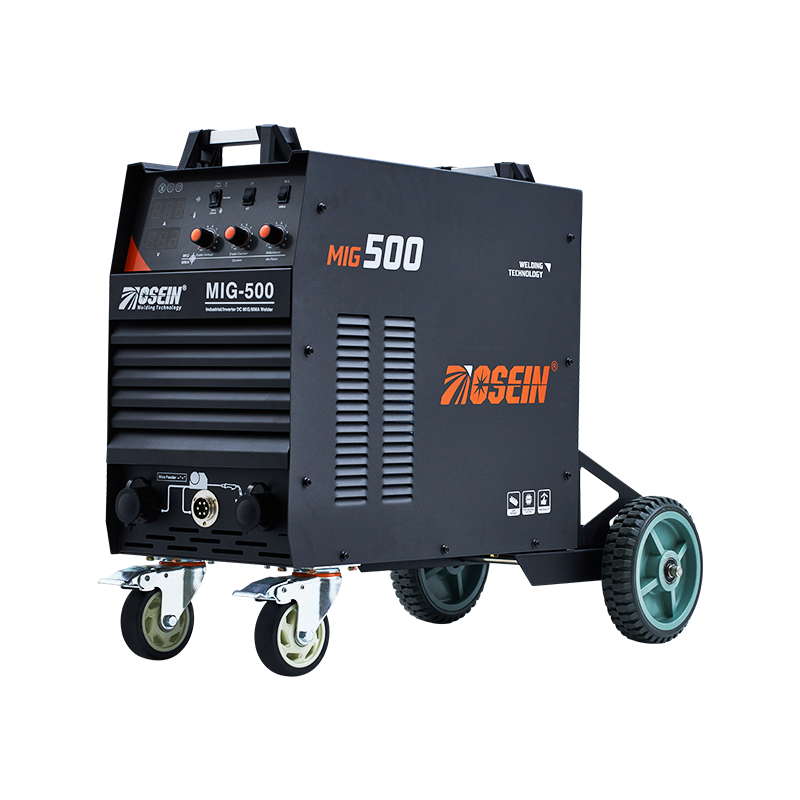
A Multi Process Pulse TIG MMA Welder commonly integrates TIG welding and MMA stick welding functions. Some advanced machines may also include MIG capabilities, allowing users to switch between processes depending on project requirements. Multi-process platforms are designed to handle applications ranging from metal fabrication and repair work to stainless steel component production.
Common Welding Modes Available
- Pulse TIG welding: Suitable for applications requiring controlled heat input and clean weld appearance.
- DC TIG welding: Used for steel, stainless steel, copper, and similar materials.
- MMA welding: Provides flexibility for outdoor repairs and structural welding.
- Additional MIG functions: Available on some multifunction platforms for broader material coverage.
Heat Management Improves Thin Material Welding
Controlling heat is one of the biggest challenges during precision welding. Excessive heat can create distortion, burn-through, or changes in material properties, especially during stainless steel or thin sheet fabrication.
Pulse welding technology addresses this challenge by reducing average heat input while maintaining arc performance. During the lower current phase, the weld pool has time to cool slightly before the next peak current cycle begins. This creates a balance between penetration and thermal control.
- Reduced heat accumulation helps protect thin components.
- Controlled weld pools support better positioning during complex joints.
- Lower distortion risk benefits precision fabrication projects.
These characteristics make pulse control valuable for industries that require accurate welding results, including equipment manufacturing, automotive parts, and customized metal fabrication.
Digital Interfaces Simplify Welding Parameter Adjustment
Another development trend in multi process welding machines is the improvement of user interfaces. Modern equipment increasingly uses digital displays and intelligent control systems to make parameter adjustments easier.
Instead of manually adjusting multiple controls, operators can select welding modes and modify settings through digital panels. Some machines include preset programs, memory functions, and synergic controls that help users quickly establish suitable welding parameters.
Useful Digital Features Include
- Digital current display: Provides clearer monitoring of welding output.
- Parameter memory: Saves frequently used welding settings.
- Synergic adjustment: Helps coordinate related welding parameters automatically.
- Protection systems: Monitor temperature, voltage, and current conditions.
IGBT Technology Supports Compact Multi Function Machines
The application of IGBT inverter technology has helped manufacturers develop smaller and more powerful welding equipment. Compared with traditional welding power sources, inverter systems provide faster electrical response and more compact internal structures.
Many modern multi process welders use IGBT components to achieve stable arc performance while keeping machine dimensions suitable for workshops and mobile applications. A typical compact inverter welder may provide adjustable current ranges such as 10A–200A depending on configuration, with digital controls and multiple welding modes integrated into one unit.
- Compact design helps save workspace.
- Improved power conversion supports stable output.
- Advanced electronics enable more precise welding adjustments.
Future Development Moves Toward Smarter Welding Control
The future direction of multi process welding equipment is focused on intelligent control, easier operation, and broader application ranges. Users are no longer only looking for higher output current; they want machines that provide better control over every stage of welding.
Features such as touchscreen operation, automatic parameter recommendations, and expanded memory storage are becoming important areas of development. These functions help both experienced welders and new operators achieve more consistent results.
- More precise pulse adjustment systems.
- Improved compatibility with different materials.
- Greater integration of welding processes.
- Smarter monitoring and feedback functions.
Pulse Technology Creates New Possibilities for Multi Process Welding
The rise of pulse control technology shows how welding equipment is evolving from simple power sources into intelligent fabrication tools. By combining TIG precision with MMA versatility, modern multi process machines provide solutions for a wider range of welding challenges.
A Multi Process Pulse TIG MMA Welder gives users greater control over heat input, arc behavior, and welding parameters. With continued improvements in digital technology and inverter systems, pulse welding control will remain an important feature shaping the next generation of welding equipment.