 English
 Español

Latest News
Latest News
Latest News
Latest News
Latest News
Latest News
Latest News
Latest News
Latest News
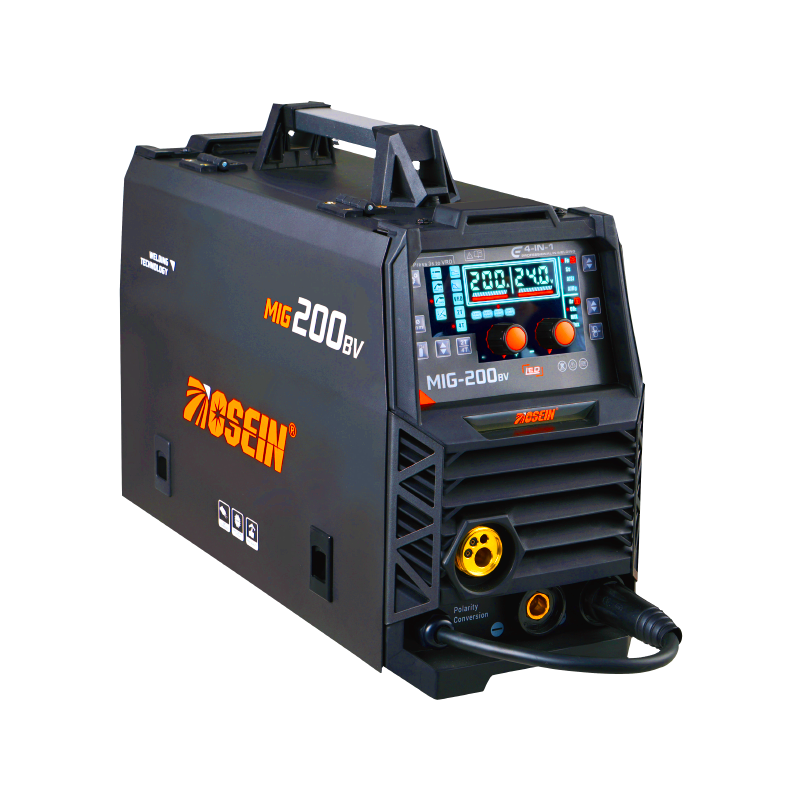
In the world of metal fabrication, technology continues to change how materials are processed. One tool that has gained attention is the Non-Touch Plasma Cutting Machine. Unlike traditional cutting methods, this machine allows operators to cut metals without the cutting head physically touching the surface. This difference has practical benefits in both safety and material preservation.
How It Works
The Non-Touch Plasma Cutting Machine uses an ionized gas stream to create a plasma arc. When directed at a conductive material, the plasma melts the metal along the cutting path. Because the cutting tool does not need to touch the workpiece, it reduces mechanical wear and decreases the risk of scratches or unwanted marks. Operators can achieve smooth cuts with less post-processing work. This feature is particularly useful for thin metal sheets or delicate components where even slight contact could cause deformation.
Materials and Applications
This technology is versatile. The Non-Touch Plasma Cutting Machine can handle various metals such as steel, aluminum, and copper. Fabricators often choose it for applications where surface integrity is important, such as in automotive parts, metal art, or industrial components. Its ability to perform precise cuts without contact makes it appealing for complex designs and thin sheets that might otherwise warp under traditional cutting pressure. Some workshops also use it for prototyping, as it allows rapid changes to cutting patterns without physically adjusting the tools.
Advantages in the Workshop
One notable advantage of a Non-Touch Plasma Cutting Machine is consistency. Because there is no direct contact, operators can rely on stable cutting results even over long production runs. Another benefit is safety. The operator is not in close mechanical contact with the cutting tool, which reduces the risk of accidents. Moreover, maintenance is simplified because the cutting head experiences less physical wear compared to contact-based machines. Some operators also note that the machine can run longer sessions without overheating, thanks to the non-contact design.
Integration with Modern Technology
Many workshops integrate Non-Touch Plasma Cutting Machines with computer numerical control (CNC) systems. This combination allows for automated cutting with high repeatability. CNC integration also opens the door for intricate patterns and complex geometries, giving designers freedom to explore shapes that might be difficult with manual methods. In addition, software enhancements can allow real-time monitoring of cutting quality, helping operators adjust speed or voltage to maintain consistent results.
Environmental Considerations
Using a Non-Touch Plasma Cutting Machine can also be environmentally considerate. Since the machine uses a plasma arc rather than physical pressure, less material is wasted, and heat-affected zones are smaller. Additionally, the reduced contact means fewer lubricants or cooling agents are necessary, which can minimize chemical waste in a fabrication environment. Over time, this also reduces overall energy consumption compared to machines that require repeated mechanical adjustments or repairs.
Choosing the Right Machine
While selecting a Non-Touch Plasma Cutting Machine, operators should consider the thickness of materials they plan to cut, the speed required, and the precision levels needed. Not every machine is suited for all metals, so reviewing technical specifications carefully is important. Workshops that focus on custom designs or delicate materials may benefit the from this type of equipment. Understanding the machine's limitations and aligning them with production goals ensures both efficiency and quality.
The Non-Touch Plasma Cutting Machine offers a modern alternative to traditional metal cutting. Its ability to cut without contact preserves material quality, improves safety, and allows for precise, repeatable results. From industrial manufacturing to artistic fabrication, this technology has applications across diverse sectors, making it a practical choice for operations where control and material integrity are essential. Its combination of precision, efficiency, and adaptability makes it a valuable investment for workshops aiming to balance productivity with careful material handling.