 English
 Español

Latest News
Latest News
Latest News
Latest News
Latest News
Latest News
Latest News
Latest News
Latest News
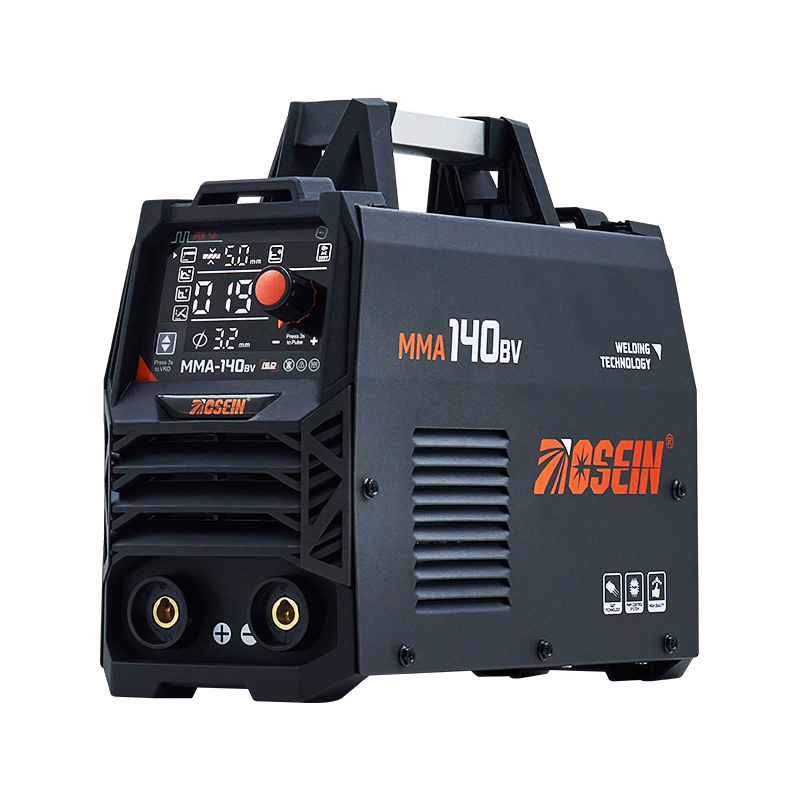
Manual metal arc welding continues to be widely used in construction, repair, and fabrication environments. In many of these tasks, control over arc stability and weld consistency is important, especially when working with structural steel. The Pulse MMA Inverter Welding 7018 Rod is often used in these applications due to its compatibility with field welding conditions.
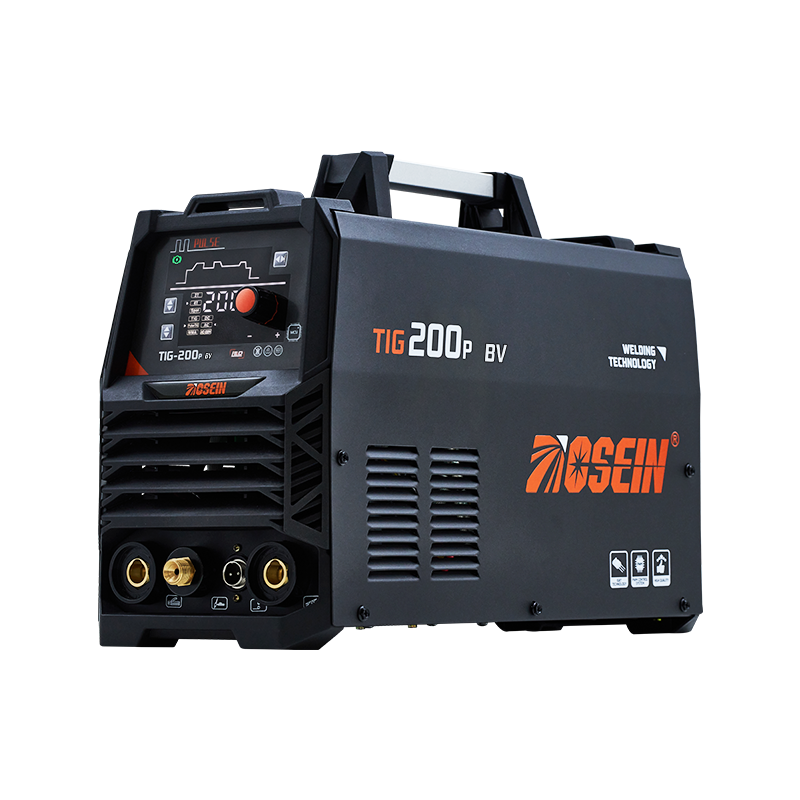
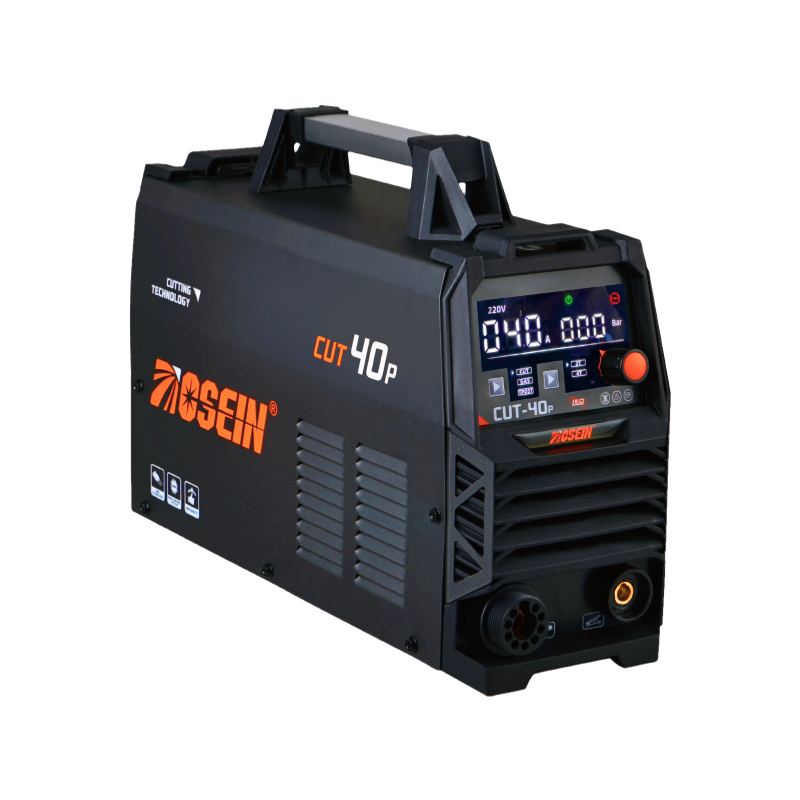
Instead of relying only on traditional constant current output, the Pulse MMA Inverter Welding 7018 Rod works in combination with inverter-based pulse control to influence arc behavior during operation.
Welding Rod Characteristics and Material Behavior
The 7018 rod type is known for its low hydrogen coating, which helps reduce weld cracking in structural applications. When used in a pulsed MMA system, the arc behavior becomes more controlled during material transfer.
A Pulse MMA Inverter Welding 7018 Rod supports smoother electrode melting patterns under varying current pulses. This helps reduce spatter levels during welding and supports more stable bead formation on carbon steel surfaces.
The flux coating also plays a role in slag formation, which protects the weld pool during cooling. Proper slag removal between passes is still required for multi-layer welding tasks.
Pulse Inverter Function and Arc Control
Inverter technology introduces controlled current pulses into the welding process. This affects how heat is distributed during electrode melting and arc transfer.
When using a Pulse MMA Inverter Welding 7018 Rod, the pulsing function helps adjust arc force depending on welding position. This can be useful for vertical and overhead welding where molten metal control is more sensitive.
The arc can respond differently depending on pulse frequency and current settings. Operators often adjust parameters based on joint thickness and electrode diameter.
Structural Welding Applications
This welding combination is commonly used in structural steel fabrication, bridge maintenance, and industrial repair work. A Pulse MMA Inverter Welding 7018 Rod is suitable for joining medium to heavy steel sections where joint integrity is important.
In field conditions, portability of inverter machines allows welding in locations where gas-shielded systems are not practical. This makes it useful for outdoor or remote construction environments.
Pipeline repair and steel frame assembly are also typical use cases where electrode flexibility and arc stability are considered during selection.
Welding Technique and Operator Control
Skill level still plays a role in final weld quality. A Pulse MMA Inverter Welding 7018 Rod requires steady travel speed and consistent arc length to maintain uniform bead appearance.
Operators often use a slight weaving motion depending on joint type. In vertical welding, upward progression is commonly used to manage molten metal flow.
Adjusting current and pulse settings during practice runs helps welders understand how the electrode reacts under different conditions.
Common Challenges in Field Use
Environmental factors such as wind, humidity, and surface contamination can influence arc stability. A Pulse MMA Inverter Welding 7018 Rod may still require proper cleaning of base materials before welding begins.
Moisture control is also important due to the low hydrogen coating. Improper storage of rods may affect performance during arc ignition and stability.
Electrode angle and distance from the workpiece also influence bead shape and penetration depth.
Controlled Welding for Structural Tasks
In structural and field welding applications, maintaining arc consistency is part of achieving reliable joints. The Pulse MMA Inverter Welding 7018 Rod combines electrode properties with inverter pulse control to support controlled welding behavior across different conditions.
Its use in construction, repair, and fabrication work reflects how electrode and machine interaction can influence practical welding outcomes in real environments.